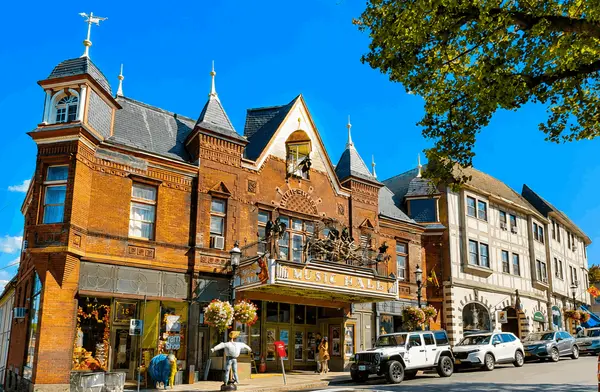
What Happens After You Accept an Offer on Your Home?
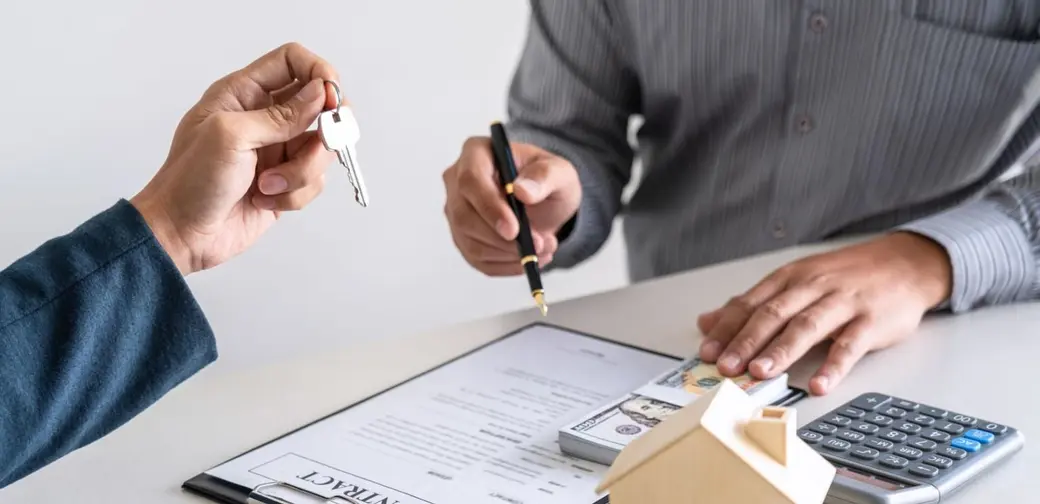
What Westchester Home Sellers Should Expect From Accepted Offer to Closing
Accepting an offer is an important step in selling your home, but it isn't the end of the transaction.
In New York, there's also an important distinction between accepting an offer and having a fully executed contract.
After an offer is accepted, there may still be inspection or other due diligence, attorney review and contract negotiation before the parties sign the contract. After contract signing, financing, title work and other requirements may still need to be completed before closing.
I'm John Buoninfante, a Licensed Associate Real Estate Broker with Real Broker NY LLC. I move people in and out of Westchester.
Here's what a Westchester seller should understand about the process from accepted offer to closing.
First, Understand What "Accepted Offer" Means
An accepted offer establishes the basic terms the buyer and seller have agreed to pursue, but in a typical New York residential transaction, that is not necessarily the same thing as having a fully executed contract.
The attorneys still need to address the formal contract and its terms.
Until the contract is executed, don't assume that accepting the offer means every legal obligation and contingency has been finalized.
Your attorney should advise you about your specific contractual rights and obligations.
Inspection and Other Pre-Contract Due Diligence May Come Next
After the offer is accepted, the buyer may conduct a home inspection or other due diligence before the contract is finalized.
A home inspection can address observable conditions involving components and systems of the property. If an inspection raises an issue, what happens next depends on the circumstances, the parties' discussions and, where applicable, the contract terms.
That does not mean every inspection results in repairs, credits or renegotiation.
It means the inspection period can still be an important part of getting from an accepted offer to a signed contract.
As the seller, be prepared to provide access for inspections or other agreed due diligence and stay in communication with your agent and attorney as the transaction moves forward.
The Attorneys Prepare and Negotiate the Contract
The contract is where the transaction moves from the accepted-offer stage into formal written obligations.
In a typical New York residential transaction, the seller's attorney generally prepares the first contract draft. The attorneys then address the contract terms, which can include the purchase price, property information, anticipated closing date, contingencies and other provisions of the transaction.
Depending on the property and transaction, required disclosures or other documents may also need to be provided during the pre-contract process.
For covered one-to-four-family residential property in New York, the Property Condition Disclosure Statement generally must be delivered before the buyer signs a binding contract of sale. The statute's definition of residential real property excludes condominium units and cooperative apartments, and other statutory exceptions may also apply.
Your attorney should determine which documents and legal requirements apply to your sale.
The Contract Is Signed and the Transaction Moves Under Contract
Once the contract terms are resolved, the parties sign the contract.
The buyer typically delivers the contract down payment when signing. The contract determines how that money is handled and the circumstances that may affect it.
Once the contract has been fully executed, the parties proceed under the rights, obligations, contingencies and deadlines contained in that agreement.
That is different from simply having an accepted offer.
If you have a question about what the contract requires from you as the seller, your attorney is the appropriate person to interpret those obligations.
If the Buyer Is Financing, the Mortgage Process Continues
If the buyer is using mortgage financing, there may still be lender requirements to complete before closing.
That can include financial and loan underwriting as well as an appraisal of the property.
The appraisal is performed for the lender as part of its lending process. It is not the same thing as the buyer's home inspection.
If the contract contains a mortgage contingency, the specific terms and deadlines of that contingency matter.
Your agent can help you understand what is happening on the transaction side, while financing questions belong with the lender and contractual questions belong with the attorneys.
Title and Other Property Issues Are Reviewed
Before closing, title work may identify matters that need to be addressed so the transaction can proceed.
That can include issues involving ownership, liens or other matters affecting title.
This is another reason the period after contract signing can involve substantial work even when there is relatively little happening inside the house itself.
If an issue involving title or another legal requirement arises, the attorneys and appropriate professionals determine what needs to be addressed.
Keep the Property and the Transaction Ready for Closing
While the buyer, lender, attorneys and other professionals are completing their parts of the transaction, the seller still has work to do.
Depending on the sale, that can include:
- responding to requests for information or documents;
- providing agreed access to the property;
- addressing items the seller has agreed to handle;
- staying in communication about transaction deadlines;
- preparing for the move and closing;
- maintaining the property through the transaction.
If something changes that could affect the property or your ability to meet a contractual obligation, raise it promptly with the appropriate professional rather than waiting until closing.
The Buyer May Conduct a Final Walkthrough
Before closing, the buyer may conduct a final walkthrough of the property.
The walkthrough is different from the earlier home inspection.
It gives the buyer an opportunity to view the property near closing in relation to the condition and obligations established by the transaction.
If a question or problem arises during the walkthrough, the agents and attorneys may need to address it before the transaction is completed.
Closing Completes the Sale
At closing, the remaining documents and funds necessary to complete the transaction are handled and title is transferred to the buyer.
The exact closing process and possession arrangements depend on the transaction and the parties' agreements.
Once the required closing steps are completed, the sale is finalized.
How Long Does It Take to Get From Accepted Offer to Closing?
There isn't one reliable timeline that applies to every Westchester transaction.
Timing can be affected by:
- how quickly pre-contract due diligence and contract negotiation are completed;
- whether the buyer is obtaining financing;
- mortgage and appraisal requirements;
- title issues;
- contractual contingencies;
- the parties' proposed closing timing;
- other transaction-specific issues.
An accepted offer therefore shouldn't be treated as a guaranteed closing date.
As the transaction progresses, your agent and attorney can help you understand where the sale stands, while the lender handles the buyer's financing process.
Frequently Asked Questions About What Happens After an Offer Is Accepted
Is an accepted offer legally binding in New York?
An accepted offer is not necessarily the same thing as a binding, fully executed contract in a typical New York residential transaction. The formal written contract and its execution establish the parties' contractual rights and obligations. Ask your attorney about the legal effect of the documents in your specific transaction.
When does the home inspection happen after an offer is accepted?
A buyer may conduct the home inspection during the pre-contract period after the offer is accepted. The exact timing and any inspection-related rights depend on the transaction and, where applicable, the contract terms.
Can a buyer back out after an offer is accepted?
Before a binding contract is executed, an accepted offer may not create the same obligations as a signed contract. After contract signing, whether a buyer can terminate the transaction depends on the contract, including any applicable contingencies and other legal rights. Your attorney should address the specific contract.
What happens if the appraisal is lower than the purchase price?
A low appraisal can affect the buyer's financing, but what happens next depends on the buyer's loan, the contract terms and the parties' decisions. It does not automatically determine one outcome. Financing questions should be addressed with the lender, and contractual rights or obligations should be addressed with the attorneys.
How long does it take to close after accepting an offer in Westchester County?
There is no single timeline that applies to every Westchester sale. Pre-contract due diligence, attorney review, financing, appraisal, title work, contingencies and transaction-specific issues can all affect timing. The progress of the actual transaction is more useful than relying on a generic number of weeks.
What should I do immediately after accepting an offer on my Westchester home?
Make sure your attorney has the information needed to begin the contract process, understand any upcoming inspection or due-diligence access, stay in communication with your agent and attorney, and begin planning around the transaction without assuming the sale is complete. If you're also buying another property, make sure the timing of the two transactions is being considered together.
The Bottom Line
Accepting an offer is a major step, but there is still a meaningful difference between accepted offer, signed contract and closed sale.
For a Westchester seller, the path can include:
accepted offer → pre-contract due diligence → attorney review and contract → signed contract → financing and appraisal if applicable → title and other closing work → final walkthrough → closing
The exact sequence and requirements can vary by transaction and contract.
The important part is understanding where your sale actually stands, what still needs to happen and which professional is responsible for each part of the process.
If you're preparing to sell a home in Westchester County, I can walk you through the real estate side of the process from pricing and listing through accepted offer and closing.
If you've already accepted an offer, I can also help you understand where the transaction is in the process and what the next real estate steps are, while your attorney handles the legal and contractual issues and the buyer's lender handles the financing.
I'm John Buoninfante, a Licensed Associate Real Estate Broker with Real Broker NY LLC. I move people in and out of Westchester.
John Buoninfante
Licensed Associate Real Estate Broker
Real Broker NY LLC
477 Madison Ave., 6th Floor, Suite 648
New York, NY 10022
John@JohnWestchesterRealtor.com
johnwestchesterrealtor.com
Categories
Recent Posts