What Buyers Should Consider Before Choosing the Right Realtor in Westchester County

How to Read the Westchester Real Estate Market Before You Make an Offer
If you're buying a home in Westchester County — whether you're relocating from New York City or moving within the area — the single most important thing you can do before you make an offer is understand how the market is actually moving in the specific neighborhood you're targeting.
Not Westchester in general. Not what you read in a national real estate headline. The specific town, the specific price range, the specific inventory picture on the day you're making decisions.
I'm John Buoninfante, your Westchester County Realtor. I move people in and out of Westchester. And one of the most valuable things I do for buyers is pull the real numbers before we walk into a negotiation — because those numbers tell you exactly how urgently and aggressively you need to act.
Days on Market: The First Number You Need to Know
Days on market is exactly what it sounds like — how long homes are sitting between listing and going under contract. In a fast-moving Westchester market, that number can be well under 30 days. In some communities, it's under 10. In others right now, it's closer to 45 or 60.
Why does that matter to you as a buyer? Because days on market tells you what kind of negotiation you're walking into before you've even seen the house.
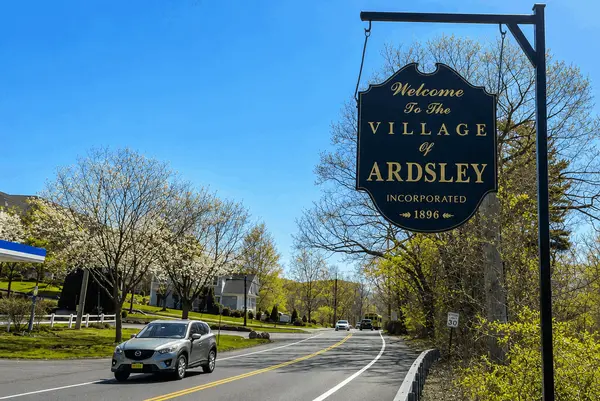
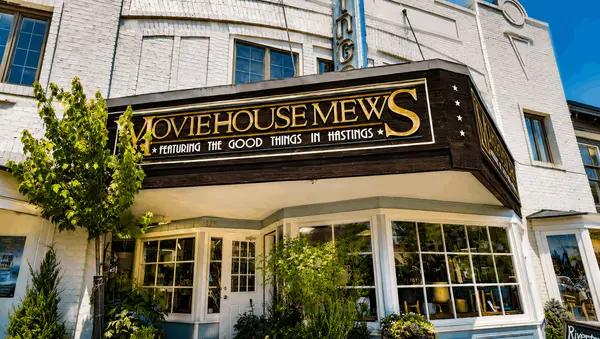
In communities like White Plains, Scarsdale, Ardsley, and Hastings-on-Hudson, well-priced homes are moving quickly and often attracting multiple offers. If you go into one of those situations without understanding the market dynamics, you'll either underbid and lose the house or overbid without a strategy and leave money on the table. Neither outcome is good.
The List-to-Sell Ratio: How Much Are Buyers Actually Paying?
The list-to-sell ratio tells you the relationship between what homes are listed at and what they actually sell for. If that ratio is running at 103% or 104% in the neighborhood you're targeting, buyers are consistently paying above asking price. That's critical information.
When I work with buyers in a market like that, one of the first things I do is pull that ratio so we know what we're dealing with. If we're looking at a home listed at $750,000 and the list-to-sell ratio in that area is running at 104%, a winning offer might be closer to $780,000. Walking in at list price in that environment isn't a competitive offer — it's a starting point for someone else's negotiation.
Understanding this number before you make an offer isn't just helpful — it's the difference between getting the house and watching someone else close on it.
Months of Inventory: Is This a Buyer's Market or a Seller's Market?
Months of inventory measures how long it would take to sell all currently available homes at the current pace of sales if no new listings came to market. A balanced market is generally around five to six months. Below that, sellers have the advantage. Above that, buyers start to gain leverage.
In strong Westchester markets with low inventory — which describes a number of communities across the county right now — you can't afford to take a wait-and-see approach. New inventory comes on, it gets multiple offers, it goes under contract. If you're not prepared to act, you'll find yourself looking at the same listings on Zillow for months while well-priced homes sell before the open house.
When a Home Has Been Sitting — That's Your Opportunity
Now here's the flip side, and it's just as important.
In a market where homes are moving in under 30 days, a property that has been sitting for 45, 60, or 90 days is telling you something. Either it's overpriced relative to what the market is willing to pay, or there's something about the property — condition, location, layout — that's given other buyers pause.
Neither of those things necessarily means you should walk away. What they mean is that you're no longer in a multiple-offer situation. You have leverage.
A buyer working with an experienced Westchester realtor in that situation can come in below asking price, negotiate inspection contingencies more aggressively, ask for concessions on closing costs, and generally structure an offer that works in your favor — because the seller is no longer fielding competing offers. They're waiting for someone to step up. That someone can be you, on your terms.
The key is knowing when a home is sitting because it's genuinely overpriced versus when it has a correctable issue that other buyers are overreacting to. That distinction requires local market knowledge and experience — not just a Zillow estimate.
What Being Financially Prepared Actually Means in a Fast Westchester Market
This is where a lot of buyers — especially those coming from New York City — get caught off guard. Being pre-qualified is not the same as being pre-approved, and in a competitive Westchester market, that difference matters enormously. A pre-qualification is a general estimate based on information you've provided. A pre-approval means a lender has actually reviewed your financials, verified your income and assets, and issued a conditional commitment to lend. Sellers in multiple-offer situations — and their agents — know the difference immediately.
Beyond pre-approval, the type of financing you're bringing matters too. An offer with a conventional loan and a substantial down payment reads differently to a seller than one with minimal down and multiple contingencies. That doesn't mean you can't be competitive if you're not putting 20% down, but it does mean your offer needs to be structured thoughtfully to compensate elsewhere — whether that's price, flexibility on closing date, or limiting contingencies where you're comfortable doing so.
In a fast-moving market, a buyer who is fully prepared financially can make a decision and execute on it the same day. That's not an exaggeration — in communities like Scarsdale, White Plains, and Ardsley, waiting until the next morning to submit an offer can mean losing a house you were qualified to buy. Financial preparation isn't just about getting approved. It's about being ready to move at the speed the market requires.
What All of This Means If You're Relocating from New York City
Buyers coming from Manhattan, Brooklyn, or Queens often experience Westchester real estate as a shock — not because it's more expensive than they expected, but because it moves faster than they expected. The rhythm of the market here is different. Homes in desirable Westchester communities don't sit on the market waiting for you to schedule three visits and think it over for a week.
Coming in prepared means understanding what the data says before you fall in love with a house. It means knowing whether you're about to walk into a bidding war or a negotiation. It means having your financing squared away and your decision-making process ready to move at the speed the market requires.
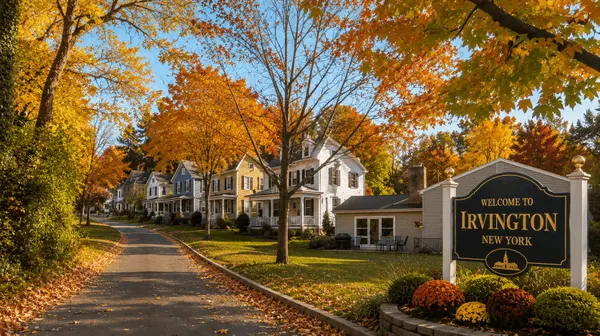
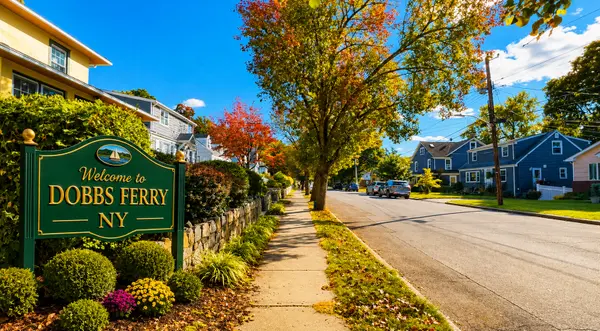
That's exactly the kind of guidance I provide to buyers relocating to Westchester County from New York City — making sure you understand the market dynamics in the communities you're considering, whether that's White Plains, Scarsdale, Tarrytown, Dobbs Ferry, Irvington, Hastings-on-Hudson, or anywhere else across the county.
The Bottom Line for Westchester Home Buyers
The Westchester real estate market rewards buyers who are informed and penalizes buyers who aren't. Knowing your days on market, your list-to-sell ratio, and your months of inventory before you make an offer isn't just good practice — it's the foundation of a strategy that actually works.
If you're buying a home in Westchester County and you want to understand what the data looks like in the specific communities you're targeting, I'd be glad to walk you through it.
I'm John Buoninfante, your Westchester County Realtor. I move people in and out of Westchester.
Categories
Recent Posts