The Cost of Living in Westchester County NY (2026 Guide)
The Cost of Living in Westchester County NY (2026 Guide)
What It Really Costs to Live Here — Housing, Taxes, Commuting, Utilities, and What You Get in Return
If you're thinking about leaving New York City for Westchester County, the first question is almost always the same: Can I afford it?
But that's the wrong place to start.
The better question is: What does it actually cost — all of it — and what does that money buy?
Because Westchester is not just a purchase price. It's property taxes layered on top of a mortgage. It's a Metro-North pass and station parking. It's a Con Ed bill that will surprise you. It's lawn care, snow removal, home maintenance, and an insurance policy you never needed when you rented in the city.
Most buyers from NYC understand the sticker price. Very few are prepared for the full monthly number — until they're already under contract.
I'm John Buoninfante, a licensed Associate Broker at Real Broker NY LLC. I help buyers relocate from New York City to Westchester County every week. Here is the honest picture.
Housing Costs in Westchester County (April 2026)
Westchester County is not one market. It is 45 municipalities with dramatically different price points, school districts, commute profiles, and tax structures. The "average Westchester home price" is a useful headline and a misleading planning tool.
Here is what the current data actually shows.
Single-Family Homes
The median sale price for a single-family home in Westchester County reached $997,500 in April 2026 — essentially flat month-over-month, but the 12-month rolling median climbed to $999,000, up 5.2% year-over-year.
Homes are selling fast. The median days on market is 43 days, and buyers are paying an average of 104.5% of original list price. That means the majority of single-family homes are selling over asking.
Inventory is the driving force. There are only 899 single-family homes currently listed countywide — down 14.1% from a year ago. When supply is that tight, prices don't need to spike to stay competitive. They just hold.
Condos
The condo market is softer. The median sale price was $537,500 in April 2026, down 2.3% year-over-year, with days on market up 31.8% to 58 days. Sellers are accepting slightly below list price (99.4%). If you're buying a condo, you have negotiating room that the single-family market simply doesn't offer right now.
Co-Ops
Co-ops are the entry point. The median sale price reached $235,000 in April 2026, up 11.9% year-over-year. Closed sales were up 14.8% — demand is real. Towns like Yonkers, White Plains, and New Rochelle offer co-op inventory that puts Westchester County within reach for buyers who can't compete in the single-family market.
What This Means for Your Budget
If you're relocating from NYC and currently paying $4,500–$6,000/month in rent, a $997,500 mortgage with 20% down at current rates will run approximately $5,200–$5,800/month in principal and interest — before taxes. Property taxes are the next line on that budget, and they are significant.
Source: OneKey MLS Local Market Update, April 2026 — data current as of May 7, 2026
Property Taxes in Westchester County
This is the number that catches most NYC buyers off guard. Westchester County has some of the highest property taxes in the United States — and the variation between municipalities is wide enough to change your entire budget.
According to PropertyTaxByState.com, using 2024 U.S. Census Bureau ACS data, the effective property tax rate in Westchester County is approximately 1.51%, with a median annual bill of $10,001.
But the effective rate rarely tells the full story in Westchester. Town-level data from Ownwell shows how dramatically bills vary:
- White Plains: Median annual tax bill of $9,854 (effective rate: 1.97%)
- Larchmont: Median annual tax bill of $24,345 (effective rate: 1.75%)
- Yonkers: Median annual tax bill of approximately $1,814 (Yonkers uses a different municipal assessment structure)
The reason for this variation: Westchester property taxes are a combination of county, town, school district, and — in incorporated villages — village levies. School district taxes are typically the largest driver of the total bill. A home in the Scarsdale Unified Free School District carries a dramatically higher tax burden than a comparable home in the Yonkers City School District, even at the same purchase price.
Countywide estimates published by sources like PropertyTaxByState, PropertyTaxRates.org, and Ownwell suggest effective rates in the 1.5%–1.7% range. Many buyers in practice experience all-in tax burdens that feel closer to 2%–3% of market value depending on town and school district — particularly in lower Westchester.
Before you make an offer on any home, I pull the actual tax bill. The listing price tells you half the story. The annual tax bill tells you the other half.
But here's the part most buyers — and frankly, a lot of agents — miss entirely.
The taxes on the listing may not be the taxes you actually pay after you close.
Many homes in Westchester haven't been reassessed in years. The current owner bought at a lower price a long time ago, and the assessed value never caught up to the market. That can make the current tax bill look manageable. But once the home sells at today's price, the municipality may reassess the property at the new value — and your tax bill could be meaningfully higher than what was on the listing.
Every municipality in Westchester has its own tax code, and every property has its own assessment history. When I'm working with a buyer on a home that raises this question, I offer to call the tax assessor for that municipality directly. That conversation often gives us a much clearer picture of what the taxes would look like at the new purchase price — before my client is committed to anything.
It's not a guarantee, and assessors won't always give a definitive number. But it's a conversation worth having before you fall in love with a monthly payment that doesn't reflect reality.
For official municipal tax rate schedules, Westchester County publishes current rates at westchestercountyny.gov.
Sources: PropertyTaxByState.com — Westchester County (2024 Census ACS data) | Ownwell — Westchester County Property Tax Trends | New York State Department of Taxation and Finance
The Cost of Commuting to New York City
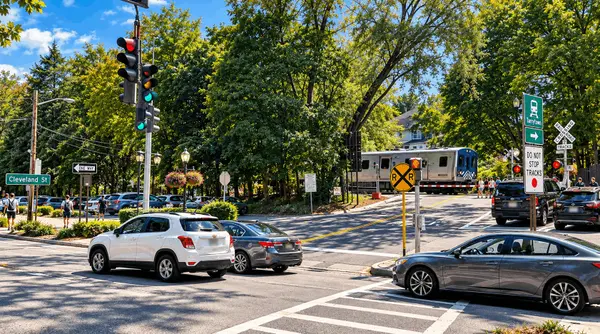
If you're planning to commute into Manhattan, Metro-North Railroad is your primary option — and for most Westchester towns, it's a good one. The ride to Grand Central Terminal from central Westchester runs 35–55 minutes depending on your line and station.
As of January 4, 2026, Metro-North fares increased up to 4.5%. Here is what to budget:
- Monthly pass from most Westchester stations: $300–$350/month
- Peak one-way fare: $10–$13 depending on zone
- Off-peak one-way: $7–$10
- Station parking permit: $60–$150/month depending on municipality
Lines serving Westchester:
- Harlem Line: White Plains, Scarsdale, North White Plains, Valhalla
- Hudson Line: Yonkers, Hastings-on-Hudson, Dobbs Ferry, Tarrytown, Ossining, Irvington
- New Haven Line: Rye, Mamaroneck, Larchmont, New Rochelle
Most Westchester commuters drive to their train station rather than into the city. Factor in the parking permit when building your monthly number. A realistic all-in commuting budget for a typical Westchester resident is $400–$500/month.
If you drive into Manhattan instead, plan for 45–90 minutes each way during peak hours and budget accordingly for tolls and parking.
Source: MTA Fares & Tolls — Metro-North Railroad (January 2026 fare update)
Utility Costs in Westchester County
Electricity
Con Edison is the primary electricity provider for most of Westchester County. According to EnergySage's May 2026 data, Westchester residents pay an average of $369/month for electricity — approximately 59% above the national average. The county-wide rate is approximately $0.31/kWh.
White Plains runs higher, with residents averaging about $392/month according to EnergySage's local data.
Con Edison received approval for rate increases of 3.5% for electricity and 4.4% for gas in 2026, with further increases scheduled through 2028. Plan for these costs to rise modestly each year.
Heating
Most Westchester homes use natural gas or oil heat. Gas heating for a typical home runs approximately $100–$150/month during colder months. Oil-heated homes will vary based on current fuel prices — verify with local providers before budgeting.
Water and Sewer
Many Westchester municipalities bill separately for water and sewer. Budget approximately $800–$1,500/year combined, depending on household usage and your specific municipality.
Source: EnergySage — Westchester County and White Plains electricity data (May 2026)
Home Maintenance: The Costs NYC Renters Don't See Coming
When you rent in New York City, your landlord handles the boiler, the roof, the leaky faucet, and the snow on the walkway. When you own a home in Westchester, all of that is yours.
This is the category that blindsides first-time suburban homebuyers most often. Here is what to budget:
- Lawn care: $2,000–$4,500/year for a standard suburban lot
- Snow removal: $300–$1,000/season depending on service level and snowfall
- Homeowners insurance: Typically $1,500–$2,500+/year for a Westchester single-family home (verify current quotes directly with insurers, as rates vary significantly by home age, construction, and location)
- General maintenance reserve: Financial advisors typically recommend setting aside 1–2% of home value annually for repairs and upkeep. On a $997,500 home, that's $10,000–$20,000/year — not all spent in year one, but a realistic long-term average
None of these costs appear in a listing. All of them appear in your budget.
Groceries and Daily Expenses
Westchester grocery prices run 15–25% above the national average, in line with the broader New York metro area. You'll pay more for the same cart than you would in most of the country — but less than comparable shopping in Manhattan.
Dining, dry cleaning, childcare, and personal services are all priced above national norms. The general rule holds: Westchester is meaningfully cheaper than New York City, but more expensive than most of the United States.
Who Can Realistically Afford to Live Here?
According to the U.S. Census Bureau American Community Survey (ACS 2024), the median household income in Westchester County is $118,596 — approximately 1.5 times the national median.
That income level gets you in range for the median-priced home, and even then, it's tight. Buyers who move here comfortably tend to be dual-income households, buyers bringing equity from a sold NYC apartment, or buyers with family support for down payment assistance.
For first-time buyers working with a single income, the most realistic entry points in today's market are:
- Co-ops in Yonkers, White Plains, or New Rochelle ($200,000–$350,000)
- Condos in mid-county towns ($450,000–$600,000)
- Single-family homes in northern Westchester towns like Peekskill, Ossining, or Mount Kisco, where prices are consistently below the county median
What You're Actually Paying For
Here is what I tell every buyer who asks whether Westchester is worth it.
You are paying for space — actual rooms, a yard, a driveway, and a garage. You are paying for school districts that consistently rank among the best in New York State. You are paying for a 40-minute train ride that puts you in the heart of Manhattan. And you are paying for a pace of life that feels genuinely different from the city — less rushed, more grounded, with parks and open space that are hard to put a dollar figure on.
None of it is cheap. But for the right buyer at the right stage of life, Westchester County offers something that no other suburb in the New York metro can quite replicate: real suburban living, still connected to the city.
The towns I work in most — Scarsdale, White Plains, Tarrytown, Dobbs Ferry, Irvington, Hastings-on-Hudson, Valhalla, and Pleasantville — each have their own personality, commute profile, school district, and price point. I can walk you through all of them before you ever set foot at an open house.
Frequently Asked Questions: Cost of Living in Westchester County NY
Q: What is the cost of living in Westchester County compared to New York City?
Westchester County's overall cost of living runs approximately 40–57% above the national average. Compared to Manhattan specifically, Westchester is more affordable on a total monthly cost basis — particularly when you factor in the space, school quality, and equity-building that come with homeownership. A 2-bedroom apartment in Manhattan averages over $5,000–$6,500/month in rent. A comparable mortgage payment on a Westchester single-family home lands in a similar range — but the equity is yours.
Q: How much are property taxes in Westchester County?
Westchester County has some of the highest property taxes in the United States. According to PropertyTaxByState.com (2024 Census ACS data), the effective countywide rate is approximately 1.51%, with a median annual bill of $10,001. However, town-level data shows wide variation: White Plains homeowners pay a median of $9,854/year (effective rate 1.97%), while Larchmont homeowners pay a median of $24,345/year (effective rate 1.75%). Yonkers uses a different municipal assessment structure, resulting in significantly lower bills. School district taxes are the largest single driver of total property tax in most Westchester municipalities. Always review the actual tax bill for any specific property before making an offer — not just the countywide average.
Sources: PropertyTaxByState.com | Ownwell | NY State Department of Taxation and Finance
Q: What is the median home price in Westchester County in 2026?
As of April 2026, the median sale price for a single-family home in Westchester County is $997,500. The 12-month rolling median is $999,000, up 5.2% year-over-year. The condo median is $537,500 and the co-op median is $235,000.
Source: OneKey MLS Local Market Update, April 2026 (data current as of May 7, 2026)
Q: How fast are homes selling in Westchester County?
Single-family homes are selling in a median of 43 days as of April 2026. Buyers are paying an average of 104.5% of original list price — meaning most homes are selling over asking. With only 899 single-family homes listed countywide (down 14.1% year-over-year), it is an active seller's market for single-family homes.
Source: OneKey MLS Local Market Update, April 2026
Q: What are the most affordable towns in Westchester County?
Yonkers, Mount Vernon, Peekskill, Port Chester, and Ossining consistently offer lower median home prices and lower tax bills compared to lower Westchester's wealthier villages. Northern Westchester towns — including Cortlandt, Yorktown, and Somers — also offer more space per dollar for buyers who don't need a close commute to Manhattan.
Q: What are the most expensive towns in Westchester County?
Bronxville, Rye, Scarsdale, Larchmont, and Chappaqua are consistently among the priciest communities in the county. Scarsdale ranks among the most expensive zip codes in New York State, combining a top-ranked school district, low crime, and high walkability with correspondingly high home prices and property tax bills.
Q: How much does it cost to commute from Westchester County to Manhattan?
A monthly Metro-North pass from most Westchester stations runs $300–$350/month as of January 2026, following the most recent MTA fare increase of up to 4.5%. Peak one-way fares are $10–$13 by zone. Add $60–$150/month for station parking, and the all-in commuting budget for most Westchester residents is $400–$500/month. Train travel from central Westchester to Grand Central Terminal runs 35–55 minutes.
Source: MTA Fares & Tolls — Metro-North Railroad (January 2026)
Q: What salary do you need to live comfortably in Westchester County?
There is no single answer — it depends on household size, the town, whether you're renting or buying, and your lifestyle. The median household income in Westchester County is $118,596 (U.S. Census Bureau ACS 2024), but median single-family home prices have crossed $999,000 countywide. At current mortgage rates and property tax levels, buyers financing a typical Westchester single-family home generally need a household income significantly above the county median to qualify comfortably. The MIT Living Wage Calculator covers Westchester County specifically and is a useful starting point for estimating a basic living wage by household size.
Sources: U.S. Census Bureau ACS 2024 | MIT Living Wage Calculator — Westchester County, NY
Q: Is Westchester County a good place to raise a family?
Yes. Westchester County is consistently ranked among the best counties in New York for families, with public school districts that rank among the top in the state, lower crime rates than urban areas, extensive parks and open space, and direct Metro-North access to New York City. The tradeoff is a cost of living that requires realistic financial planning before committing to a purchase — but for families who are prepared for it, Westchester is genuinely difficult to beat within commuting distance of the city.
Ready to Talk Numbers?
If you're seriously considering a move to Westchester County, the most useful next step is an honest conversation about your full monthly picture — not just the purchase price, but taxes, utilities, commuting, and maintenance together.
I help buyers do that calculation every week. I know which towns will stretch your dollar the furthest, which school districts are worth the premium, and which listings are priced right versus which ones come with surprises baked in.
Schedule a call at johnwestchesterrealtor.com or reach out directly. No pressure — just a straight conversation about whether Westchester makes sense for you.
Data sources: OneKey MLS Local Market Update (April 2026, current as of May 7, 2026) | U.S. Census Bureau ACS 2024 | EnergySage (May 2026) | MTA Metro-North Railroad (January 2026 fare update) | PropertyTaxByState.com (2024 Census ACS data) | Ownwell (April 2026) | Westchester County Official Tax Rates (westchestercountyny.gov) | MIT Living Wage Calculator | NY State Department of Taxation and Finance
John Buoninfante is a licensed Associate Broker at Real Broker NY LLC, serving buyers and sellers across Westchester County, NY. This post is for informational purposes only and does not constitute financial or legal advice. All market data reflects conditions as of the publication date and is subject to change.
Categories
Recent Posts