Living in White Plains NY in 2026: What Buyers Need to Know
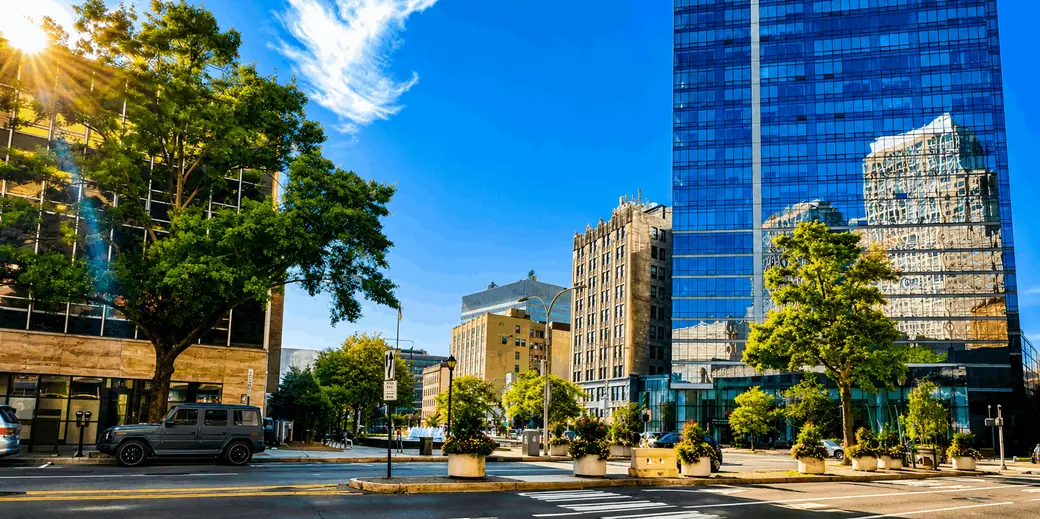
If you've been thinking about leaving New York City, White Plains probably came up early in your search.
That's not an accident. White Plains keeps showing up because it genuinely delivers on most of what city buyers are looking for — a fast train to Manhattan, walkable streets, real restaurants, and housing options that don't require a $2 million budget just to get a second bedroom.
I work with buyers relocating to Westchester County every week. White Plains comes up constantly. Here's what I actually tell them.
Where Is White Plains, NY?
White Plains is in central Westchester County, about 25 miles north of Midtown Manhattan. It's the county seat, which means it's also where the courts, county offices, and a lot of the commercial activity in Westchester are concentrated.
Geographically, it sits right in the middle of everything — easy access to the Bronx River Parkway, I-287, and the Hutchinson River Parkway, plus one of the best Metro-North stations in the county. If you're trying to stay connected to the city while living outside it, the location works.
The Commute From White Plains to New York City
This is usually the first question buyers ask, and it's a good one.
The White Plains Metro-North station is on the Harlem Line. Express trains to Grand Central Terminal run in about 35 to 40 minutes. That's not a long commute — plenty of people do longer within the five boroughs.
For buyers on hybrid schedules — two or three days in the office — the commute math changes completely. Coming into the city Tuesday, Wednesday, Thursday and being home in 40 minutes each night is a genuinely different lifestyle than a daily grind. That's a big part of why White Plains keeps attracting city buyers who finally pulled the trigger in 2025 and 2026.
What Living in White Plains Actually Feels Like
This is where White Plains separates itself from most of Westchester.
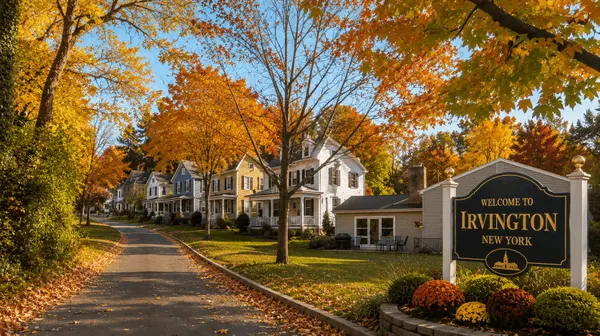
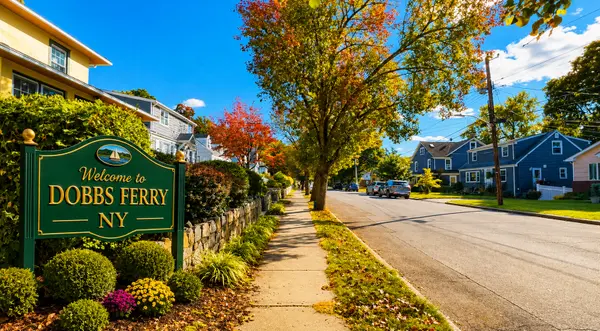
Most Westchester towns are quiet. That's not a criticism — Dobbs Ferry, Irvington, Hastings-on-Hudson are all great — but they're villages. Small downtowns, limited nightlife, you're driving to do most things.
White Plains is different. Downtown has real foot traffic. There are restaurants worth going to on a Tuesday night, not just on weekends. You can walk to things. There's energy to it.
For buyers coming out of Manhattan or Brooklyn, that matters more than they sometimes realize until they start visiting other towns and feel the contrast. White Plains doesn't feel like you've left the city behind. It feels like you traded up on space and traded down on noise — which is exactly what most city buyers are after.
Housing Options in White Plains
White Plains has more variety than almost any other Westchester community. Depending on what you're looking for and what your budget looks like, you're choosing from:
- Luxury condominiums — High-rise and mid-rise buildings concentrated near downtown, most with amenities like doormen, gyms, and parking garages. Good option for buyers who want low maintenance and walkability.
- Co-ops — Available across a wider range of price points, but come with board approval processes. Rules and financials vary significantly building to building — this is an area where having a broker who knows the inventory pays off.
- Townhouses — A middle ground. You get more space and sometimes a small outdoor area without the full responsibility of a single-family home.
- Single-family homes — Scattered across established residential neighborhoods throughout the city, ranging from entry-level to high-end depending on the block and proximity to downtown.
The mix is why White Plains attracts such different types of buyers. First-time buyers, people downsizing out of larger suburban homes, NYC transplants, and professionals all find something that fits here. Not many Westchester communities can say that.
One thing worth knowing: neighborhood feel in White Plains varies a lot by block. Where you are within the city matters. That's not something you get a feel for from a listing — it comes from time on the ground.
White Plains Real Estate Market in 2026
Inventory across Westchester has been tight, and White Plains is no exception.
According to Hudson Gateway Association of Realtors MLS data, the median sale price for homes in White Plains was $871,500 in January 2026. That number reflects the full mix of housing types in the city — condos, co-ops, townhouses, and single-family homes — so where you land within that range depends heavily on what you're buying and where in the city it sits.
For broader context: across Westchester County, single-family homes between 2,000 and 2,500 square feet sold at median prices of $902,500 in January, $999,000 in February, and $920,000 in March 2026, also per HGAR MLS data. White Plains condo and co-op pricing generally comes in below those figures, which is part of the appeal for buyers who want a strong location without pushing to the top of the single-family market.
For buyers leaving Manhattan or Brooklyn, the comparison is usually pretty clear — comparable space in New York City either doesn't exist at these prices or comes with trade-offs that make Westchester look very reasonable by comparison.
Well-priced properties in White Plains, especially anything close to the train station or downtown, move fast. Buyers who come in prepared — pre-approved, clear on what they want, ready to move — are the ones who land the right place.
Cost of Living and Property Taxes in White Plains
No point sugarcoating it: Westchester is expensive, and property taxes are a real number.
In White Plains, property taxes on single-family homes around $825,000- $900,000 typically run between $15,000 and $18,000 per year, based on HGAR MLS data. That's not a small line item — on a monthly basis, you're looking at $1,250 to $1,500 just in taxes, on top of your mortgage. Buyers who don't account for that upfront are the ones who get surprised at the closing table.
Westchester County as a whole ranks among the highest property tax counties in the country. The exact bill on any given property depends on the assessed value and the applicable school and municipal tax rates, so always request the actual current figures on any property you're seriously considering — don't rely on estimates or what the prior owner paid.
Beyond taxes, the full monthly picture for White Plains buyers includes:
- HOA or maintenance fees on condos and co-ops, which vary significantly by building — some are modest, some are not
- Metro-North monthly pass if you're commuting regularly into the city
- Total monthly carrying cost — mortgage, taxes, fees, and commuting combined — not just the purchase price
I put that full number together with every buyer I work with before we start making offers. It's the only way to know whether the math actually works for your situation.
Parks, Schools, and Day-to-Day Life in White Plains
White Plains has more going on than its reputation sometimes suggests.
On the parks side, residents have access to local parks within the city and easy proximity to larger Westchester County parks — Rockefeller State Park Preserve and Saxon Woods Park are both nearby and worth knowing about if you're outdoors-oriented.
On schools: White Plains is served by the White Plains City School District. Buyers who are prioritizing schools above everything else sometimes end up looking at Scarsdale, Ardsley, or Pleasantville instead — those districts have strong reputations and it's worth comparing. That said, the school conversation is always more nuanced than rankings alone, and White Plains families are generally happy with the district.
Day-to-day life in White Plains is convenient. The Westchester mall is there, grocery options are solid, and the restaurant scene downtown has improved noticeably over the last few years. For most buyers, the daily logistics work well.
Who Should Be Looking at White Plains?
Based on what I see with buyers in this market, White Plains tends to work best for:
- NYC commuters who need a reliable, fast train and don't want to add more time to their commute than necessary
- City buyers making their first move to the suburbs who want familiar energy and don't want to feel like they've landed somewhere completely foreign
- Condo and co-op buyers who want low maintenance living with good walkability
- Buyers with a mixed-use lifestyle — people who work in the city some days, work from home other days, and want both convenience and space
If you're coming in with a strong preference for a quieter, more residential feel — larger lots, no real downtown, a tighter community vibe — you might land somewhere like Dobbs Ferry, Pleasantville, or Hastings instead. Those are all great towns with different personalities. The right answer depends on what you're actually trying to get out of the move, not just what checks the most boxes on a list.
The Bottom Line on White Plains
White Plains is one of the more well-rounded options in Westchester County for buyers coming out of New York City. The commute is fast, the housing options cover a real range, the lifestyle holds up, and the location gives you access to everything else Westchester has to offer.
It's not the right fit for everyone. But for the buyer who wants to get out of the city without losing everything that made the city worth living in — it's worth a serious look.
If you want to talk through whether White Plains makes sense for your situation, or if you're trying to figure out how it compares to other Westchester communities, reach out. Happy to help you work through it.
John Buoninfante Associate Broker | Real Broker NY LLC Westchester County Realtor johnwestchesterrealtor.com 646-391-1093
Frequently Asked Questions About Living in White Plains NY
Is White Plains a good place to live in 2026? For the right buyer, yes — and it comes up at the top of a lot of relocation searches for good reason. White Plains offers direct Metro-North access to Grand Central in about 35 to 40 minutes, a walkable downtown, varied housing options from condos to single-family homes, and a lifestyle that doesn't feel like a complete departure from city living. Buyers coming from Manhattan or Brooklyn tend to adjust well here.
How long is the commute from White Plains to NYC? Express trains from the White Plains Metro-North station reach Grand Central Terminal in approximately 35 to 40 minutes. For buyers on hybrid schedules who are only commuting a few days a week, that travel time is very workable — it's one of the main reasons White Plains stays at the top of the relocation list.
Is White Plains expensive to live in? Yes, relative to the national average. Housing costs and property taxes are the two biggest factors. Property taxes on single-family homes in White Plains typically run between $15,000 and $18,000 per year based on HGAR MLS data — that's $1,250 to $1,500 a month before you factor in a mortgage payment. Buyers should get the actual current tax figures on any specific property, not estimates. That said, compared to Manhattan or Brooklyn pricing for comparable space, White Plains often looks like a reasonable trade once you run the full numbers.
What types of homes are available in White Plains NY? White Plains has more housing variety than most Westchester communities — luxury condos, co-ops, townhouses, and single-family homes across a range of price points. That variety is part of why the city attracts such a wide mix of buyers. Whether you're a first-time buyer, someone downsizing, or relocating from the city, there's usually something in the inventory worth looking at.
Why are so many NYC buyers moving to White Plains? A few consistent reasons come up: the commute is fast, the lifestyle doesn't feel like a sharp downgrade from city living, and the housing math usually works out better than staying in New York City for comparable space. Buyers who have been thinking about the move for a while tend to act when the hybrid work schedule makes the commute feel manageable — and White Plains is usually one of the first places they take seriously.
Categories
Recent Posts