7 Mistakes People Make When Moving to White Plains, NY | What Most Buyers and Renters Don't See Coming
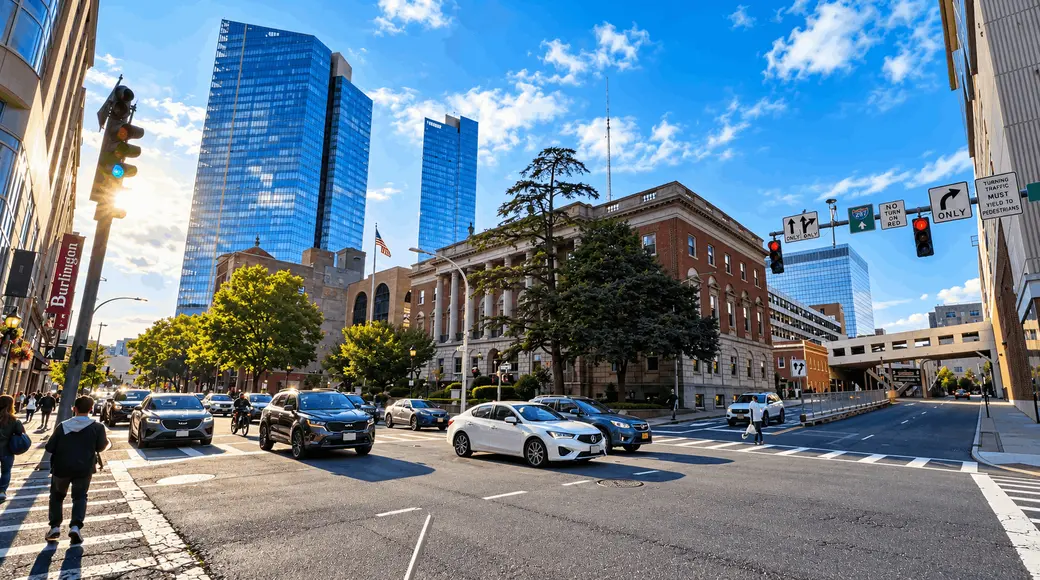
White Plains looks simple on the surface. It's close to New York City, the buildings are modern, downtown is walkable, and the lifestyle sounds easy. But here's what most people only learn after they've already moved: White Plains can be an incredible place to live, or it can turn into a frustrating, expensive mistake, depending entirely on what you misunderstand before you commit.
I'm John Buoninfante, a Westchester County Realtor. I move people in and out of Westchester County, and these are the seven biggest mistakes I see people make when moving to White Plains, so you can walk in with clear eyes instead of finding out the hard way.
- Assuming All of White Plains Feels the Same
White Plains isn't one single experience. Downtown feels completely different from the residential neighborhoods surrounding it, and high-rise living feels nothing like life in a garden-style co-op a few blocks away. Some blocks feel vibrant, others feel quiet, and others feel genuinely congested depending on the time of day.
I had clients who assumed White Plains would feel like every other Westchester town they'd looked at, quiet, residential, mostly car-dependent, until they actually walked Downtown White Plains for the first time. They were surprised by how much it felt like its own small city: restaurants, shopping, foot traffic, a genuine downtown energy that most of the surrounding county simply doesn't have. That contrast is exactly why understanding the micro-areas within White Plains matters so much. It's easy to end up in the wrong building, on the wrong street, or in a lifestyle that doesn't match what you were picturing, and it's just as easy to be pleasantly surprised once you actually see the parts of town that don't show up in a quick drive-through. This isn't about White Plains being good or bad. It's about understanding fit before you sign anything.
- Not Understanding Current Market Conditions
If you're thinking about buying in White Plains without understanding where the market actually stands right now, this is where people make expensive mistakes. Buyers who skip this step can overpay, miss better opportunities, underestimate the competition, or buy at the wrong point in the cycle, and any one of those can cost tens of thousands of dollars upfront and even more over the long run.
As of July 2026, the median sale price for single-family homes in White Plains was $963,500, up 5.9% from the same month a year earlier. Looking at the trailing twelve months, the median sits at $910,000, up 6.4% year over year. Homes have also been selling faster: single-family homes averaged 27 days on market in July, and 30 days over the trailing twelve months, both quicker than the prior year despite more inventory coming onto the market. Sellers have also been receiving close to full asking price, with homes averaging 104.5% of original list price over the past year.
I worked with a client who was set on White Plains and White Plains only. After looking at around ten houses, it became clear his budget wasn't going to get him the space or condition he actually wanted in this specific market. He'd chosen the town before understanding the cost of getting what he wanted there, and he ultimately bought elsewhere in the county instead. That's not a story about White Plains being overpriced. It's a story about picking a location before pricing it out, which is exactly the mistake this section is about.
Source: OneKey MLS Local Market Update, July 2026
- Underestimating How Much Commute Times Vary
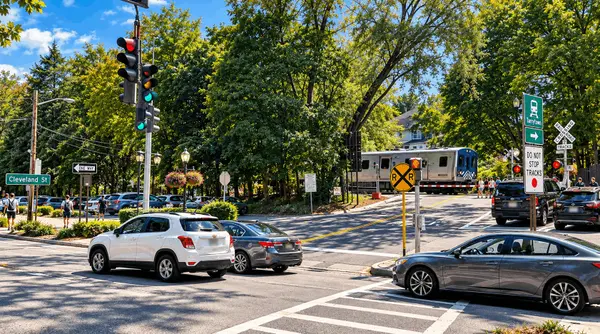
People assume that living in White Plains automatically means an easy commute, but the reality depends on your building's location, how far you are from the train, which line and service pattern you're on, your daily schedule, and whether parking is actually available near your station. Two people can both live in White Plains and have completely different daily commutes depending on these details. The fastest route into Manhattan is the Metro-North Harlem Line. Local trains typically take around 50 to 55 minutes and stop at most or all stations between Scarsdale and Manhattan, while express trains run closer to 35 to 45 minutes by skipping many of the intermediate stops. Smart buyers map out their actual daily routine before committing, not just the general geography of the town.
Source: MTA Metro-North Railroad schedules
- Falling for a Luxury Building Without Understanding the Monthly Costs
This happens constantly. Newer buildings look beautiful, and amenities like gyms, lounges, doormen, and rooftop decks feel genuinely impressive during a tour. What a lot of buyers and renters underestimate is the ongoing cost of all of it: HOA fees, maintenance charges, amenity fees, parking costs, and the rent increases that tend to follow at renewal. People fall in love with the building itself and later feel financially boxed in by what it actually costs to live there month after month. A good move isn't about how impressive a building looks on move-in day. It's about how sustainable that cost feels a year or two later.
- Ignoring Noise and Traffic Patterns
Some parts of White Plains are calm nearly all the time. Others are busy throughout the day, loud late at night, or heavy with traffic specifically during rush hour. If you only visit a building or neighborhood once, and always at the same time of day, you can end up somewhere that feels completely different once you're actually living there full time. That's not really a real estate problem. It's a research problem, and it's an easy one to avoid by visiting at a few different times before you commit.
- Assuming City-Style Living Means You Won't Need a Car
Parts of White Plains are genuinely walkable, especially close to downtown, but most residents still rely on a car for grocery runs, visiting other towns, getting to work, or having flexibility on weekends. If you don't live within easy walking distance of downtown specifically, going fully car-free can be a lot harder than it looks from the outside. People who assume they'll skip owning a car entirely sometimes end up frustrated once they're actually living the day-to-day reality of it.
- Misunderstanding School Zones
White Plains school zoning can be more confusing than buyers expect. Some assume the whole city falls under one straightforward district boundary, but zoning and specific addresses matter quite a bit here. If schools are a real factor in your decision, get clarity on your specific address and which school it's zoned for before you commit to a building or a block, not after you've already signed.
Why People Still Choose White Plains
Despite all of this, plenty of people land in White Plains and love it. I've sold homes to clients who chose White Plains specifically because of how central it felt within the county, and because it struck the balance they wanted: not too quiet, with real shopping and dining options within reach, but still residential enough to feel like home. White Plains isn't a mistake, a compromise, or a fallback option. It's a real market with real opportunity, but only for people who understand how to approach it the right way. The town itself isn't what trips people up. The lack of preparation beforehand usually is.
Frequently Asked Questions About Moving to White Plains, NY
Is White Plains, NY a good place to live? White Plains offers a walkable downtown, direct Metro-North access into Manhattan, and a mix of high-rise and residential neighborhoods, but it rewards buyers and renters who research specific blocks and buildings rather than treating the whole city as one experience.
What is White Plains, NY known for? White Plains is known for having one of the most active downtown districts in Westchester County, with a concentration of shopping, dining, and office space that's unusual for a suburban market this close to New York City.
Is White Plains more expensive than other towns in Westchester County? Pricing in White Plains varies significantly by neighborhood and building type, and buyers who assume it's uniformly expensive or uniformly affordable often end up surprised once they start looking at specific listings and locations within the city.
How long is the commute from White Plains to Grand Central Terminal? Local Metro-North Harlem Line trains take roughly 50 to 55 minutes, while express trains typically run between 35 and 45 minutes, depending on the specific train and time of day.
Do you need a car if you live in White Plains? Residents living close to downtown can go largely car-free, but most people living elsewhere in White Plains still rely on a car for groceries, work travel, and getting to nearby towns.
What is the median home price in White Plains right now? Per OneKey MLS, the median sale price for single-family homes in White Plains was $963,500 in July 2026, up 5.9% from a year earlier, and $910,000 over the trailing twelve months, up 6.4% year over year.
Why do people choose to live in White Plains? Buyers and renters often choose White Plains for its central location within Westchester County, its shopping and dining options, and its balance between suburban residential life and genuine downtown energy.
I'm John Buoninfante, a Westchester County Realtor. I move people in and out of Westchester County. If you'd like help thinking through White Plains or comparing it to other towns in the county, I'm happy to walk through it with you.
Categories
Recent Posts