Living in Sleepy Hollow, NY: What It's Actually Like to Live There

The longer I spend in Sleepy Hollow, the more it gets me. Kingsland Point Park, the lighthouse, the history layered into every street, the Hudson sitting right there. It's not something you get used to. It keeps working on you. I see the same thing happen with my clients. I've taken buyers to the River House more than once, and I can tell you exactly what happens when a unit doesn't have a direct view of the river. They don't bid the same way. The offer comes in softer. The urgency isn't there. The view isn't nice to have here. It's what actually moves people to compete.
Most people arrive in Sleepy Hollow with the Headless Horseman somewhere in the back of their mind. That's fair. Washington Irving put this village on the map in 1820, and it never quite left. But buyers who come here expecting a quaint historic curiosity tend to leave with a different read on the place. Sleepy Hollow in 2026 is one of the more actively evolving communities in Westchester County, and the combination of what it's always been and what it's becoming is the real story for anyone seriously considering a move here.
Where Sleepy Hollow Sits
Sleepy Hollow is an incorporated village on the eastern shore of the Hudson River, roughly 25 miles north of Midtown Manhattan, inside the Town of Mount Pleasant. It borders Tarrytown to the south and Ossining to the north. Until 1996, the village was officially named North Tarrytown. The residents voted to restore the historic name, and the change stuck in ways that go beyond signage. The Sleepy Hollow identity is something the community leans into deliberately, and it shapes everything from the fall tourism calendar to how the village presents itself to prospective buyers.
The most recent Census Bureau population estimate, dated July 1, 2025, puts Sleepy Hollow at 11,474 residents, up from a 2020 base of 9,980. That's meaningfully larger than some of its Rivertown neighbors and gives it a slightly different civic scale than a smaller village like Hastings-on-Hudson or Ardsley. This figure comes from the Census Bureau's annual Population Estimates Program, which updates between the decennial counts rather than replacing them, so treat it as the most current read available rather than a hard count.
The Commute
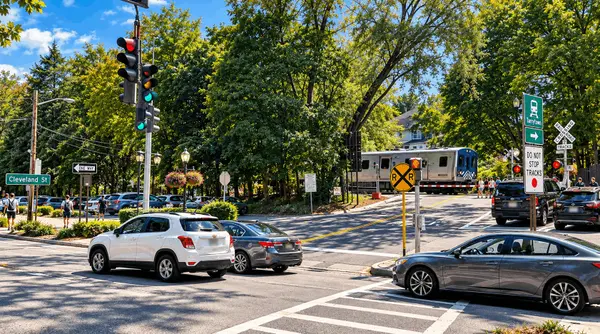
Sleepy Hollow shares its Metro-North station with Tarrytown. The platform is physically in Tarrytown, so buyers need to factor in a short drive or walk to reach it rather than assuming walkable station access from within Sleepy Hollow itself. That's a practical detail worth knowing before you fall in love with a house and build your commute math around a station that's technically in the next village.
Sleepy Hollow (via Tarrytown station): Local trains take 50 to 60 minutes while Express trains take roughly 35 to 40 minutes.
For most buyers, the commute is workable. The Hudson Line is reliable and Grand Central access is direct. The question is less about the train and more about how you get to the platform.
Edge-on-Hudson and the Waterfront Transformation
This is the development that changed how serious buyers think about Sleepy Hollow, and it deserves more than a line item. The former General Motors assembly plant, a sprawling industrial site on the Hudson, has been redeveloped into Edge-on-Hudson, a mixed-use waterfront community with residential units, retail, public green space, and direct river access. It's not a small addition to the village. It has materially changed the housing inventory, brought new construction options to a market that didn't have many, and repositioned Sleepy Hollow as a place where buyers can choose between historic village homes and brand-new waterfront product in the same ZIP code.
Beyond Edge-on-Hudson, the village has RiverWalk Park, Hudson River trails, views of the Sleepy Hollow Lighthouse, and the kind of waterfront access that buyers in landlocked Westchester communities are genuinely envious of. The history layers on top of all of it. Sleepy Hollow Cemetery, the Old Dutch Church, Philipsburg Manor. But these function less as tourist stops for residents and more as the backdrop to a community that takes its own identity seriously.
Housing
The stock here is more varied than most Rivertown villages. You have historic single-family homes on established streets, older condominiums and townhomes, and now the new construction product coming out of Edge-on-Hudson. Those categories don't behave the same way as investments or as day-to-day living situations. A new-construction condo at Edge-on-Hudson is a fundamentally different purchase than a century-old single-family home three blocks from the cemetery, in financing, in HOA structure, in appreciation profile. Knowing which category you're actually shopping in matters before you start comparing prices across them.
Here's what the numbers show, and I want to be straight with you about what they can and can't tell you. Single-family median sale price over the last 12 months is $1,377,500, up from $836,000 the year before. In July 2026 alone the median hit $1,800,000. That looks like a dramatic run-up, and technically it is one, but it's built on very few transactions: three closed sales in July, 15 over the full 12 months, and active inventory sitting at zero as of this report. I'm not going to hand you a "prices are up 65%" headline off a sample that small. What the numbers do tell you is that single-family inventory in the village is thin and whatever does come up tends to sell close to ask. Homes have averaged 105.6% of original list price over the past year.
Condos are an even thinner data set right now. One closed sale in July, at $2,395,000, after sitting on the market for 494 days. Over the full 12 months, median condo price was $1,806,875, up modestly from $1,746,498. Inventory is more substantial on this side, 16 units currently listed, which lines up with what you'd expect as Edge-on-Hudson product continues to come online.
If you're shopping single-family in the village proper, expect to compete for very little. If you're looking at condo or new construction, you have more to choose from, but I wouldn't lean on recent closed-sale prices to set your expectations. There just aren't enough transactions yet to call a trend. Talk to me about what's actually active right now. With volume this low, the picture can shift month to month.
Source: HGAR/OneKey MLS Local Market Update, July 2026.
Schools
Sleepy Hollow is served by the Union Free School District of the Tarrytowns, which covers both Sleepy Hollow and Tarrytown. The district runs Sleepy Hollow Middle School and Sleepy Hollow High School, along with three elementary schools serving the combined district.
The four-year graduation rate is 93%, and it's held in that range across the five- and six-year cohorts as well. Attendance runs at 95%. Every school in the district carries the state's "Local Support and Improvement" designation, meaning none have been flagged for intervention.
On state test proficiency, students scored in the 44-54% range across grades and subjects for English language arts and math on the most recent state assessments. Full grade-by-grade breakdowns are published by NYSED and available at data.nysed.gov.
One thing worth naming plainly: the shared district means your school community includes Tarrytown residents, which is a feature rather than a drawback for most buyers. It's a larger, more diverse district than you'd get in a smaller standalone village, but it's worth understanding before you assume the district boundaries track exactly with the village lines.
Source: NYSED Data Site, 2024-25 school year.
The Honest Trade-offs
Fall in Sleepy Hollow is genuinely beautiful and genuinely crowded. The Halloween tourism draw is real, events, foot traffic, weekend visitors, and if you're someone who values quiet neighborhood streets in October, that's worth factoring in before you buy. It's not a dealbreaker for most residents, but buyers who are surprised by it after closing tend to feel like they weren't told.
The waterfront development has added housing supply, but well-priced inventory in the village still moves. Buyers who come in without a clear sense of priorities, new construction vs. historic, village street vs. waterfront, can find themselves reacting to listings rather than choosing among them.
Property taxes across Westchester are real, and Sleepy Hollow is no exception. If you're comparing a Sleepy Hollow home to one in Tarrytown, know that equalization rates and assessment practices can differ between the two villages, so a tax bill from one doesn't translate directly to the other.
Who Sleepy Hollow Works For
Buyers who do well here tend to want the Rivertown lifestyle: walkable village, Hudson views, Metro-North access to the city, with more housing variety than some of the smaller villages offer. The Edge-on-Hudson product has opened Sleepy Hollow to buyers who want new construction with waterfront access, a combination that barely existed in this part of the county five years ago. History enthusiasts, commuters, and buyers who want a community with a strong sense of its own identity tend to find Sleepy Hollow lands differently than they expected, usually better.
Frequently Asked Questions
How far is Sleepy Hollow from Manhattan, and what's the commute actually like? Sleepy Hollow sits roughly 25 miles north of Midtown Manhattan. The village shares its Metro-North station with Tarrytown next door, so the platform itself is a short drive or walk away rather than right in the village. From there, local trains run 50 to 60 minutes into Grand Central, and express trains cut that down to about 35 to 40 minutes. The train service is solid. Just don't assume the station is walkable from every part of the village before you buy.
Is Sleepy Hollow the same place as North Tarrytown? It used to be. The village was officially named North Tarrytown until 1996, when residents voted to restore the historic Sleepy Hollow name. The change stuck, and the village has leaned into that identity ever since, from the fall tourism calendar to how it markets itself today.
What is Edge-on-Hudson, and how does it change what's available to buy here? Edge-on-Hudson is the redevelopment of the old General Motors assembly plant on the Hudson into a mixed-use waterfront community with residential units, retail, public green space, and direct river access. It's the biggest reason the housing conversation in Sleepy Hollow has changed. Before it, your choices were mostly historic village homes. Now you can choose between that and brand-new waterfront construction in the same ZIP code, and those two options behave very differently as purchases.
What's actually happening in the Sleepy Hollow real estate market right now? Inventory is thin, especially for single-family homes. Over the last 12 months there were only 15 closed single-family sales, and homes have sold at an average of 105.6% of original list price, meaning well-priced listings move fast. Condo activity is thinner still, with new construction from Edge-on-Hudson gradually adding to that side of the market. I'd rather walk you through what's actually active right now than have you anchor on a handful of recent closed sales.
Does the Halloween season make Sleepy Hollow harder to live in day to day? It brings real foot traffic and weekend visitors in the fall, and it's worth knowing that going in if you value quiet streets in October. Most residents don't consider it a dealbreaker. It's more that buyers who get surprised by it after closing tend to feel like nobody told them, so I'd rather tell you now.
Should I compare a Sleepy Hollow home directly to one in Tarrytown? Not without some care. The two villages share a Metro-North station and overlap in plenty of ways, but they're separate municipalities with their own identities, inventory, and tax structures. Property assessments and equalization rates can differ between them, so a side-by-side price or tax comparison needs to account for that before you draw conclusions.
Exploring Your Options Across the Rivertowns
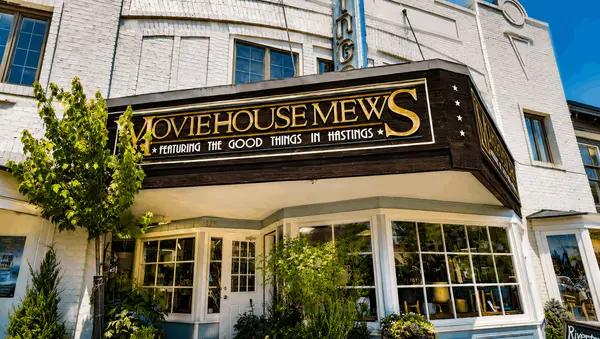
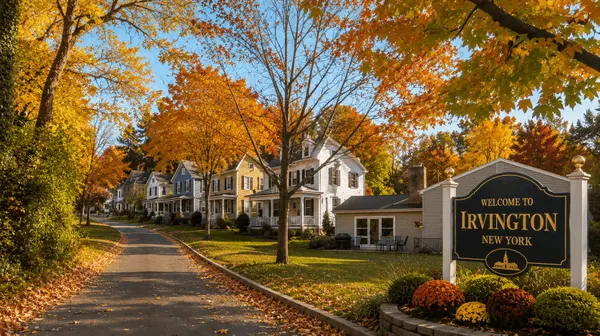
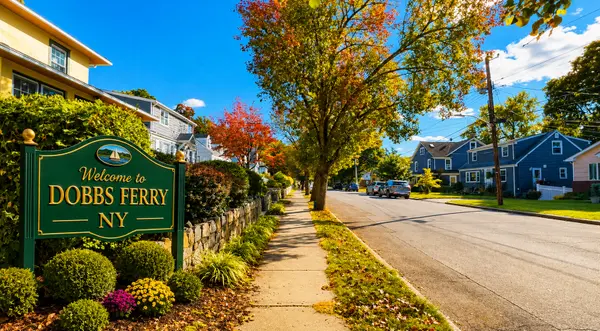
If you're weighing Sleepy Hollow against Tarrytown, Irvington, Dobbs Ferry, Hastings-on-Hudson, or other communities in the stack, Scarsdale, White Plains, Ardsley, Pleasantville, Valhalla, the differences matter more than the similarities. I'm John Buoninfante, Licensed Associate Real Estate Broker focused on Westchester County. Reach out and let's talk through which of these communities actually fits what you're looking for.
Categories
Recent Posts