Things to Consider Before Moving to Westchester County, NY

A Westchester County Realtor’s Guide to Choosing the Right Area and Home
If you’re thinking about moving to Westchester County, one of the first things you’ll discover is that choosing a home here isn’t simply a matter of picking a town.
Two homes that look fairly close together on a map can have different school districts, property-tax structures, train access, municipal services and housing options. A village name, town name, postal address and school district don’t always tell you the same thing.
I’m John Buoninfante, a Westchester County Realtor. I help people move into, out of and around Westchester, and one of the most useful things I can do for someone relocating here is help them understand those differences before they narrow their search too far.
This guide covers the major things I would look at before moving to Westchester County, including property taxes, commuting, schools, housing, location and the local real estate market.
First, Understand How Westchester Is Organized
It might sound like a technical detail, but Westchester’s municipal structure can affect taxes, municipal services, school districts and even what buyers mean when they say they want to live in a particular community.
Westchester County identifies six cities, 19 towns and 23 villages within its borders, along with a number of unincorporated hamlets. The six cities are Yonkers, Mount Vernon, New Rochelle, White Plains, Peekskill and the City of Rye. The 19 towns are Bedford, Cortlandt, Eastchester, Greenburgh, Harrison, Lewisboro, Mamaroneck, Mount Kisco, Mount Pleasant, New Castle, North Castle, North Salem, Ossining, Pelham, Pound Ridge, the Town of Rye, Scarsdale, Somers and Yorktown. The City of Rye and the Town of Rye are two separate municipalities, which is a good early example of why names alone can be misleading.
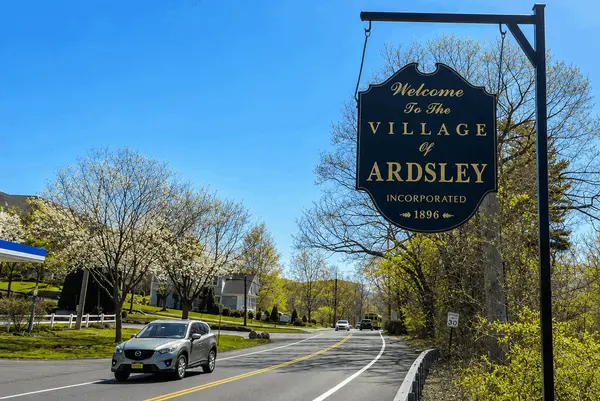
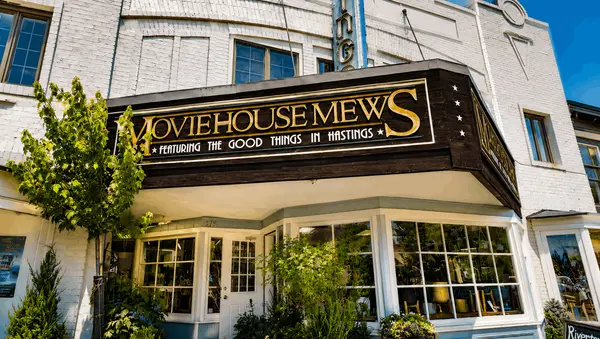
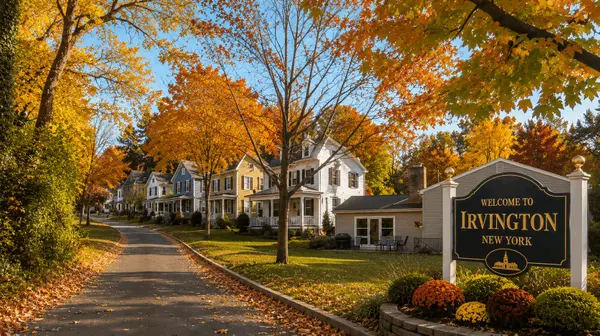
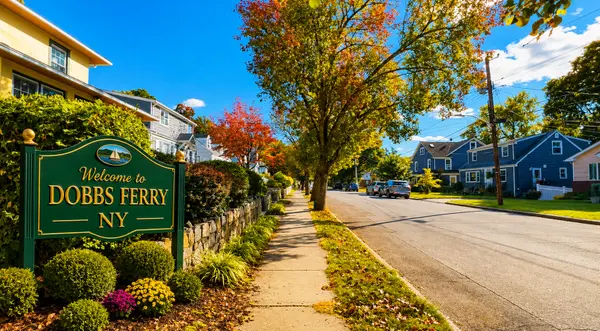
Within and across those towns you’ll also find villages and hamlets that buyers frequently search by name, including Bronxville, Larchmont, Dobbs Ferry, Irvington, Tarrytown, Sleepy Hollow, Hastings-on-Hudson, Ardsley, Pleasantville, Briarcliff Manor, Croton-on-Hudson, Chappaqua, Katonah and Valhalla.
The name you see in a listing or mailing address doesn’t necessarily give you the complete picture. A property can have one postal address, sit within a particular town or village, receive services from particular municipalities and belong to a school district whose boundaries don’t perfectly match those municipal lines. When you’re serious about a home, verify the municipality, school district, taxes and services for that specific address rather than making assumptions from the community name alone.
With that structure in mind, here’s what I’d actually walk a buyer through.
Don’t Compare Westchester to NYC on Purchase Price Alone
One reason people consider Westchester is that they want something different from what they currently have in New York City. That might mean more interior space, a yard, a different type of home, access to Metro-North or simply a different day-to-day environment.
But the financial comparison needs to go beyond the price of the home. If you’re comparing staying in New York City with moving to Westchester, look at your total housing and transportation picture:
- Mortgage principal and interest
- Property taxes
- Homeowners insurance
- Maintenance and repairs
- Utilities
- Commuting expenses
- Station parking, if needed
- Car ownership and transportation costs
- HOA or condominium charges where applicable
- Co-op maintenance where applicable
A house that fits your purchase-price budget may not fit your preferred monthly budget once everything is included. The reverse can also happen. A buyer comparing a Westchester home with a New York City apartment may simply be trading one group of expenses for another.
The more useful question isn’t just, “What can I buy for $1 million?” It’s, “What does living in this particular home actually cost me each month, and what am I getting in return?”
Property Taxes Need to Be Evaluated Property by Property
Once you’re past the general budget comparison, property taxes deserve attention early in your search.
There isn’t one “Westchester property tax.” Your tax bill depends on the property’s assessed value and the taxing jurisdictions that apply to that specific property. Depending on location, that can involve county, municipal, school and, where applicable, village or other taxes.
This is one reason two homes with similar asking prices can have noticeably different tax bills. I wouldn’t estimate a home’s taxes based only on its listing price or on what a nearby property pays.
When considering a particular property, review the actual tax records and determine:
- The current assessment
- The applicable municipality
- Whether the property is inside a village
- The applicable school district
- The current tax bills
- Whether exemptions affect the amount currently being paid
- Whether there are circumstances that warrant additional review with the assessor or a qualified tax professional
STAR is another area where buyers should understand their own eligibility rather than assuming they’ll receive the same benefit reflected in a seller’s current situation.
The important point is to evaluate the actual property and the taxing jurisdictions that apply to it. That’s much more useful than relying on a general tax estimate for a town.
Your Commute Is More Than the Train Ride
Taxes are one part of the financial picture. Commuting can be another.
Metro-North is a major part of the Westchester-to-Manhattan commute, with service from communities throughout the county into Grand Central Terminal. But looking only at scheduled train time can give you an incomplete picture.
If commuting matters to you, calculate the trip from your front door to your actual destination. For a Metro-North commuter, that could include getting from home to the station, parking or walking, waiting for the train, the train ride itself, and then getting from Grand Central to the final destination.
That can change how you evaluate two homes that otherwise look similar. A property closer to the station might reduce driving and parking. Another property might offer more of what you want at home but add time to the commute.
Train schedules vary by station, line, time of day and service pattern, so check current Metro-North schedules directly through the MTA for the stations and times you expect to use rather than relying on a general claim that a particular Westchester community is a certain number of minutes from Manhattan.
And think about your actual work schedule. Someone commuting into Manhattan twice a week may evaluate location differently from someone making the trip every weekday.
School District Boundaries Need to Be Verified
School districts are an important search criterion for many Westchester buyers, but they’re also an area where assumptions can cause problems. Municipal boundaries, postal addresses and school-district boundaries don’t always line up neatly.
If school assignment matters to your move, don’t rely solely on the town name, ZIP code or listing description. Verify the school district associated with the specific property and use official district information and New York State Education Department information when researching schools.
NYSED provides objective information about individual schools and districts that consumers can review according to their own priorities rather than relying on subjective descriptions such as “good,” “best” or “top.”
Different households may also be researching different things. One buyer may be interested in enrollment or particular programs. Another may want information about transportation, facilities or specific educational offerings.
My role as a Realtor isn’t to tell you which school or community is “best.” I can help you identify properties and boundaries and point you toward objective sources so you can evaluate the information according to your own priorities.
Westchester Isn’t One Type of Housing Market
Another mistake I see people make is imagining Westchester as one uniform suburban housing market. It isn’t.
Depending on where you’re looking, you’ll encounter detached single-family homes, condominiums, cooperative apartments, townhouses, multifamily properties, historic homes, newer construction, properties near downtown areas and train stations, homes in more car-dependent locations, and waterfront or water-adjacent properties.
Those property types aren’t interchangeable. A co-op purchase involves considerations that don’t apply to a typical single-family home. Condominiums can include common charges and association rules. Older houses can come with different maintenance considerations than newer construction.
Even within the same budget, you may be choosing between very different versions of Westchester living.
Before becoming attached to one housing type, think about the tradeoffs you’re actually willing to make. You may prefer more land over being able to walk to a downtown, or you may be willing to give up some square footage to live closer to a train station. You might want a detached house, while someone else may prefer a property with less exterior maintenance.
Those decisions can narrow your search more effectively than starting with somebody else’s list of the “best” Westchester towns.
Think About the Life You Actually Want to Live Here
This is where online lists tend to fall short.
Westchester communities don’t all feel the same, and that doesn’t mean one is better than another. Some areas have downtowns with restaurants, shops and train stations concentrated within a relatively compact area. Other neighborhoods are predominantly residential and make a car much more useful for everyday errands.
Westchester also has communities along the Hudson River, communities near Long Island Sound, larger cities such as White Plains, New Rochelle and Yonkers, villages and hamlets, and lower-density areas farther north.
Before deciding where to look, think about how you expect to use the community. Do you want to be able to walk to restaurants, shops or the train? How often will you commute? How important is outdoor space? Are you comfortable relying on a car for most errands? Do you prefer an older home or newer construction? How much property maintenance do you realistically want?
Those questions don’t produce one universally correct Westchester community. They help identify which locations fit what you’re looking for.
Look at the Actual Market You’re Buying Into
“What’s the Westchester market doing?” is useful as a starting question, but it’s usually too broad to help you decide what to do with a particular home.
Market conditions can vary by municipality, price range, property type and the amount of competing inventory available at that moment.
When I’m working with a buyer, I’d rather look at the relevant local market than rely on a countywide headline. For the area and type of home you’re considering, useful questions include:
- How many comparable homes are currently available?
- What have similar homes actually sold for?
- How long did those properties take to sell?
- How did sale prices compare with asking prices?
- Are new listings coming onto the market and giving buyers additional choices?
Those are the kinds of questions that can help you understand the market surrounding the particular property you’re considering.
Market conditions also change. A strategy that made sense for a buyer six months ago may not make sense for the house you’re considering today.
Don’t Assume Every Westchester Home Is Automatically a Good Investment
I would be careful with anyone who tells you that buying in a particular Westchester community is automatically a good investment.
A primary residence isn’t just an investment asset, and future appreciation can’t be guaranteed.
Purchase price, property condition, taxes, location, transaction costs, financing, holding period and future market conditions all matter. If you’re thinking about resale before you buy, evaluate the specific property rather than relying on a broad claim about Westchester.
Consider the property’s condition, improvements that may be needed, how its price compares with relevant recent sales and characteristics that could affect the pool of future buyers.
The goal isn’t to predict exactly what the house will be worth in ten years. It’s to understand what you’re buying today.
Visit an Area More Than Once Before You Decide
If you’re seriously considering a neighborhood, see it at different times.
A Saturday afternoon doesn’t necessarily show you what Monday morning will be like. If commuting matters, try the route to the station. If walkability matters, walk from the house to the places you expect to use. Drive the roads you would use for regular errands.
Pay attention to things that don’t always show up in listing photos, including traffic patterns, road layout, sidewalks, hills, distance to everyday destinations, train proximity and how the location actually works for your routine.
Online research is useful, but it shouldn’t be your only experience of a place you’re considering calling home.
Start With Priorities, Not a List of “Best Towns”
People often ask me for the best places to live in Westchester. I think there’s a more useful way to approach the question.
Start with your priorities and give them an order. Your list might begin with budget, commute, type of home, location preferences and property taxes. Someone else’s priorities could look completely different.
Once I understand those priorities, comparing Westchester communities becomes much more useful because we’re no longer asking which town is universally better.
We’re asking which locations and properties fit what you’re trying to accomplish. That’s a question we can actually work with.
Moving to Westchester County: What I Would Do First
If you’re at the beginning of a Westchester move, don’t try to learn every town at once.
Start by establishing your comfortable total housing budget, where you need to travel regularly, what type of home you’re willing to consider and which location characteristics matter most.
From there, narrow the county into a manageable group of communities and compare them using the same criteria: housing options, actual property taxes, transportation, municipal structure, school-district boundaries where relevant and current real estate inventory.
That process is far more useful than starting with somebody else’s ranking of Westchester towns.
In my work with Westchester buyers, I’ve found that people often don’t need another list telling them where they should live. They need help understanding the differences and tradeoffs so they can make that decision for themselves.
Planning a Move to Westchester?
If you already have a few communities in mind, I’ve also created guides to Scarsdale, White Plains, Tarrytown, Dobbs Ferry, Hastings-on-Hudson, Ardsley and Valhalla that can help you continue your research.
If you’re still researching Westchester more broadly, my Westchester County Moving Guide can help you organize the process and start comparing areas.
And if you’re further along and want to talk through your budget, commute, housing preferences and the communities you’re considering, you can schedule a Westchester Relocation Call with me.
I’m John Buoninfante, Licensed Associate Real Estate Broker with Real Broker NY LLC. My role isn’t to tell you where you should live. It’s to help you understand Westchester well enough to make that decision for yourself.
Frequently Asked Questions About Moving to Westchester County
What should I know before moving to Westchester County?
Start with your total housing budget, property taxes, commute, preferred type of home and location priorities. Westchester’s municipalities, villages, school districts and taxing jurisdictions don’t always share the same boundaries, so these details should be evaluated for the specific property you’re considering.
How do property taxes work in Westchester County, and why can similar homes have different tax bills?
Property taxes depend on a property’s assessment and the taxing jurisdictions that apply to that address. Depending on location, those can include county, municipal, school and village taxes. Purchase price alone doesn’t determine the existing tax bill, so review the actual assessment and tax records for the individual property rather than estimating taxes solely from its asking price.
Does buying a home in Westchester automatically increase the property taxes?
Not automatically. A sale price and an assessed value are not the same thing, and New York assessment rules and local assessment practices are more complicated than simply resetting every property’s assessment to its purchase price. Buyers concerned about a specific property should review the municipality’s assessment information and, where appropriate, consult the local assessor or a qualified tax professional.
How long is the commute from Westchester to Manhattan?
There is no single Westchester-to-Manhattan commute time. Metro-North travel varies by station, line, train and time of day, and your total commute also includes getting to the station and traveling from Grand Central to your final destination. Check current Metro-North schedules through the MTA for the specific stations and travel times you expect to use.
How do I find out which school district serves a specific Westchester property?
Don’t rely on a postal address, ZIP code or town name alone because municipal and school-district boundaries don’t always match. Verify the district associated with the specific property and use official school-district and New York State Education Department information when researching schools.
Is buying a home in Westchester County a good investment?
There is no guarantee that a particular Westchester home will appreciate. Future results depend on factors including the property, purchase price, condition, location, financing, holding period and future market conditions. If resale matters to you, evaluate the specific property and relevant comparable sales rather than relying on a general claim about Westchester as an investment.
Who can help me compare specific Westchester communities before I relocate?
A Westchester Realtor can help you compare properties and communities using factors such as taxes, commute, municipal structure, school-district boundaries, housing type and current inventory.
I’m John Buoninfante, a Westchester County Realtor and Licensed Associate Real Estate Broker with Real Broker NY LLC. You can start with my Westchester County Moving Guide or schedule a Westchester Relocation Call when you’re ready to talk through your move.
Categories
Recent Posts