The Ultimate Guide to Moving to Westchester County, NY (2026 Update)

If you're thinking about moving to Westchester County, one of the first things you'll notice is how many choices you have.
White Plains, Scarsdale, Tarrytown and Dobbs Ferry are all in Westchester, but comparing them as though they're interchangeable doesn't tell you very much.
The housing can be different. Property taxes can be different. Your commute can be different. Even two homes with similar prices can create very different monthly costs and daily routines.
I'm John Buoninfante, a Licensed Associate Real Estate Broker with Real Broker NY LLC. I move people in and out of Westchester, and if you're trying to figure out where to start, I would start with the decisions that will actually affect your move.
Where Is Westchester County?
Westchester County is directly north of New York City, with the Bronx to the south, Putnam County to the north, the Hudson River along its western side and Connecticut along much of its eastern side.
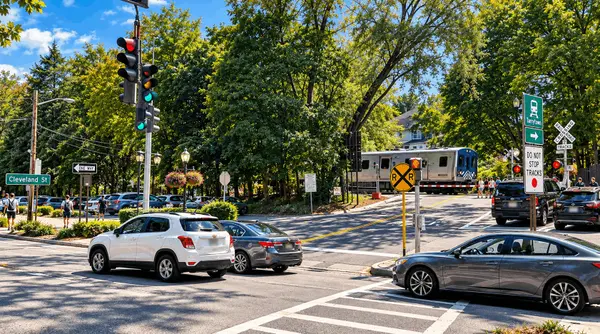
Its location makes transportation an important part of many Westchester housing searches. Metro-North serves multiple communities in Westchester, but the train schedule is only one part of the commute.
Where you live relative to the station, how you get there, parking arrangements and what happens after you arrive in New York City can all affect your actual door-to-door trip.
If commuting matters to your move, evaluate the complete routine rather than choosing a community from a general train-time estimate.
Westchester Isn't One Housing Market
This is probably the most important thing to understand when you begin looking.
A countywide description of Westchester can only take you so far.
The communities you're comparing may offer different combinations of single-family homes, condominiums, co-ops and other housing types. Prices, property taxes and available inventory also depend on the location and property you're considering.
So instead of asking only:
"How much does it cost to move to Westchester?"
A more useful question is:
"What does my budget actually give me in the Westchester communities and property types I'm considering?"
Current market conditions change. When I'm helping someone evaluate an active search, I use current OneKey MLS information for the locations and property types we're actually considering rather than relying on a countywide generalization.
Comparing Westchester Communities
People relocating to Westchester often begin with community names they've already heard or found while researching online.
That's a reasonable starting point, but it shouldn't be the end of the comparison.
White Plains
White Plains gives buyers access to different housing types, including condominiums, co-ops and single-family homes. If you're considering it, compare the housing available within your budget along with the specific property's costs and your transportation needs.
Scarsdale
If you're considering a home in Scarsdale, look beyond the community name. Evaluate the particular property's price, taxes, housing characteristics, transportation requirements and the other objective factors important to your search.
Tarrytown
Tarrytown is located along the Hudson River and has Metro-North service. Buyers considering Tarrytown can compare the available housing, property-specific costs and transportation routine with the other locations they're researching.
Dobbs Ferry
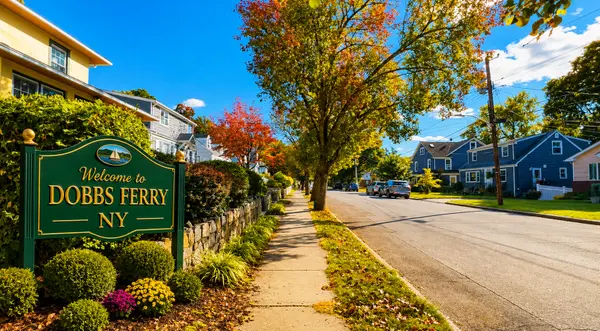
Dobbs Ferry is another Hudson River community with Metro-North service. As with the other communities, the useful comparison comes from the particular housing options, costs and transportation needs involved in your search.
These aren't rankings or recommendations. They're examples of why a Westchester search needs to become more specific than a list of town names.
Start With Your Actual Priorities
Before you decide where to look, establish the things you already know.
Where do you need to commute?
What type of property are you considering?
What purchase price or monthly housing expense are you comfortable carrying?
How important is proximity to a train station?
Do you want to compare single-family homes, condos, co-ops or more than one property type?
Which transportation options, services or amenities matter to you?
If public-school information is relevant to your move, which objective information do you want to review?
That gives you a framework for comparing communities without somebody else deciding which one is "best" for you.
Property Taxes Need to Be Part of the Search
A listing price doesn't tell you the entire cost of owning a home in Westchester.
Property taxes contribute to the monthly carrying cost, and the tax bill is property-specific. Two homes with similar asking prices don't necessarily have the same taxes or the same overall monthly cost.
That's why I wouldn't assume a home's taxes based only on its price or the community where it's located.
When assessment or tax information needs clarification, I call the appropriate municipal assessor's office directly on behalf of my clients rather than asking them to make a decision based on an assumption. That gives us better property-specific information to work with, although it doesn't guarantee what a future tax bill will be.
For someone moving to Westchester, this can materially change the way two similarly priced properties compare.
Don't Compare Homes on Purchase Price Alone
Property taxes are only one reason to look beyond the asking price.
If you're financing a purchase, your housing budget can involve the mortgage payment, property taxes, homeowners insurance and property-specific recurring expenses. Ownership also means leaving room for maintenance and repairs.
The property type matters too.
A condominium, co-op and single-family home don't necessarily create the same ownership responsibilities or recurring expenses.
So when you're comparing homes, compare the actual cost structure of the properties rather than assuming that two similar asking prices represent the same financial decision.
Understand the Commute Before You Choose the House
If you expect to commute into New York City, don't stop at the scheduled Metro-North travel time.
Start with how you'll get to the station.
Are you driving? What are the parking arrangements? Which trains work with your actual schedule? What happens once you arrive in Manhattan?
A scheduled train time can answer one part of the question. It doesn't tell you what your complete daily commute will look like.
When you're comparing a specific commute, use current Metro-North schedules at mta.info rather than relying on an old timetable or a general travel-time estimate.
How Should You Research Westchester Schools?
If public schools are part of your housing research, use objective information rather than labels such as "best schools" or relying on somebody else's ranking.
New York State Education Department information can help consumers review factual information about public schools and districts.
Also confirm the school assignment for the particular property you're considering rather than assuming that a mailing address or community name determines where a student would attend.
School information should be one source of factual information in your decision, not a basis for a real estate professional to tell you which community you should choose.
Should You Buy Right Away or Rent First?
You don't automatically have to buy when you relocate to Westchester.
For some people, the decision includes whether to purchase as part of the move or rent while they continue evaluating the area.
There isn't one answer that works for everyone.
Consider your finances, how long you expect to stay, how certain you are about the location you want, the type of property you're considering and how much flexibility you need.
Then compare what your budget actually buys with what it rents in the locations you're considering.
The point isn't to follow a rule that says relocating buyers should always buy or always rent. It's to understand what each option means in your particular situation.
A Better Way to Choose Where to Live in Westchester
Instead of starting with a list of supposedly "best" Westchester towns, narrow the search in a more useful order.
Start with your realistic housing budget, including the carrying costs that matter to you. Then identify your commute and transportation requirements. Decide which property types you actually want to compare. Review objective school information if it's relevant to your search.
After that, compare the current housing options in the locations that remain.
That changes the question from:
"What's the best town in Westchester?"
to:
"What are the meaningful differences among the places I'm considering?"
That's a question we can answer with useful information while leaving the decision where it belongs: with you.
Frequently Asked Questions About Moving to Westchester County
What should I know before moving to Westchester County?
Start with your budget, property taxes, housing type, commute and the specific communities you're considering. Westchester includes different housing markets, so comparing actual properties and locations based on your priorities is more useful than treating the entire county as one market.
How do I choose between Westchester towns?
Define what matters to your search first, then compare communities using those factors. Housing type, current inventory, property-specific costs, transportation and objective public information can all be compared without relying on rankings or somebody else's opinion of which community is "better."
How much does it cost to buy a home in Westchester County?
There isn't one number that describes every Westchester buyer's options. Prices depend on location, property type and current market conditions. For an active search, current OneKey MLS information can be used to compare the locations and housing types you're actually considering.
How do property taxes affect buying a home in Westchester?
Property taxes contribute to the cost of carrying the home and should be evaluated property by property. Don't assume two similarly priced homes will have the same tax bill or monthly ownership cost.
How should I compare Westchester schools?
Use objective sources such as the New York State Education Department and confirm information for the particular property and district you're researching. Rankings and generalized descriptions such as "best schools" shouldn't substitute for reviewing the information that matters to you.
What should I consider about commuting from Westchester to New York City?
Consider the entire door-to-door trip, not just scheduled train time. How you reach the station, parking arrangements, the trains that fit your schedule and the rest of your trip after arriving in New York City can all matter. Check current Metro-North schedules at mta.info when evaluating a specific commute.
Where to Go From Here
If you're still at the beginning of your research, my Moving to Westchester County Guide is a useful next step.
If you're further along, tell me what you're looking to spend, where you need to commute and what type of property you're considering. From there, we can compare the actual housing options and costs in the Westchester communities you're considering.
I'm John Buoninfante, a Licensed Associate Real Estate Broker with Real Broker NY LLC. I move people in and out of Westchester.
Moving to Westchester County Guide:
https://johnbuoninfante137.lpages.co/westchester-guide/
John Buoninfante
Licensed Associate Real Estate Broker
Real Broker NY LLC
646-391-1093
John@JohnWestchesterRealtor.com
johnwestchesterrealtor.com
Categories
Recent Posts