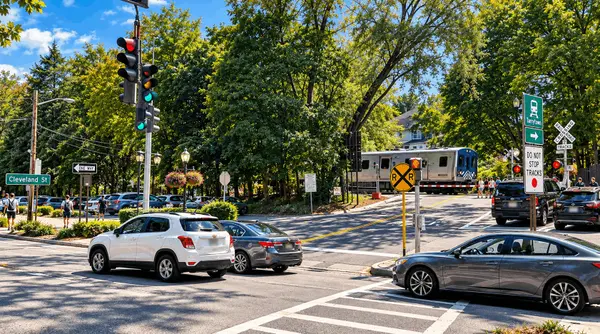
How to Price a Home in Westchester County: What to Review Before You List
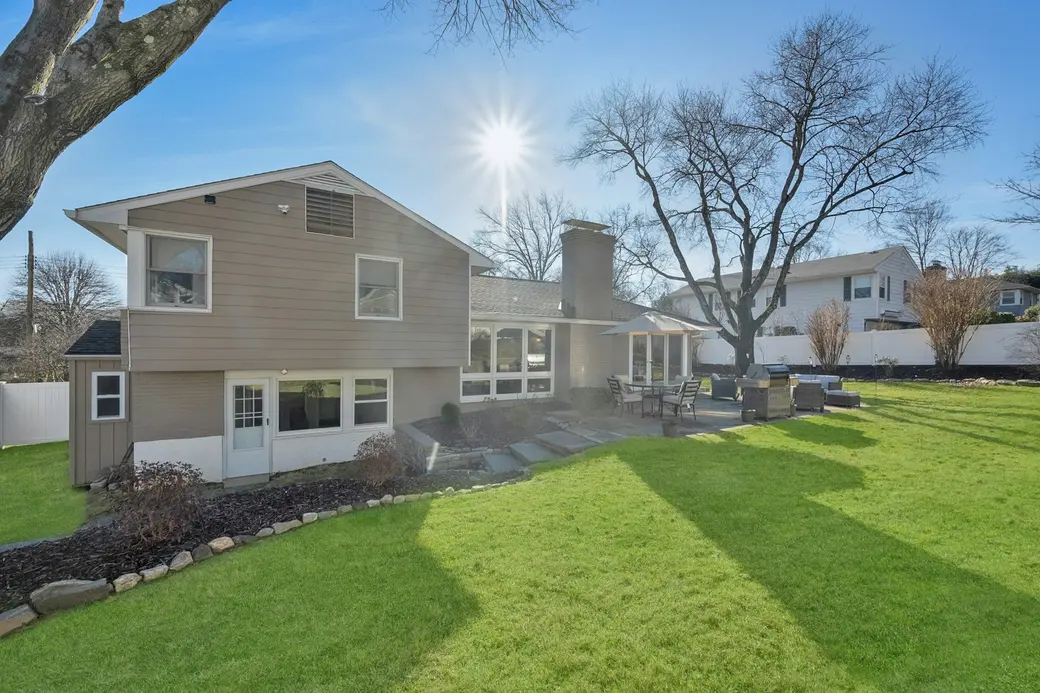
What Westchester Home Sellers Need to Know Before Choosing a Price
If you're thinking about selling your home in Westchester County, two questions usually come together:
What does the available information indicate about my home's value, and how should that analysis inform the list price?
They're related questions, but they're not exactly the same.
Understanding that distinction can make the pricing conversation much more useful.
I'm John Buoninfante, a Licensed Associate Real Estate Broker with Real Broker NY LLC. I move people in and out of Westchester.
Here's what I'd want a seller to understand before choosing the price.
Start With the Actual Property
Before deciding what to ask for a home, understand exactly what you're pricing.
Look at the property's type, condition, features, completed improvements and other relevant property information.
Westchester County includes different municipalities, property types, tax profiles and housing characteristics. A broad countywide number can provide context, but it doesn't establish the value of an individual property by itself.
The analysis has to come back to the actual home.
Use Comparable Sales as Evidence, Not as the Answer
Comparable sales are an important part of the analysis.
But finding one nearby property that sold for a particular amount doesn't automatically establish what your home is worth.
The comparison still has to make sense.
I'd want to look at relevant sales and understand:
- how those properties are similar to yours;
- how they differ;
- how condition compares;
- what features differ;
- which differences are important to the analysis;
- whether other sales provide useful context.
OneKey MLS is the source I use for Westchester local-market sales and listing information.
The goal isn't to find the sale that supports the number you already want.
It's to understand what the available evidence says about the property you're actually planning to sell.
Look at Current Competition Too
Closed sales and current listings tell you different things.
A completed sale provides information about an actual transaction.
An active listing is different. Its asking price doesn't establish what that property will ultimately sell for.
But active listings can still help you understand the properties your home may be competing against when it enters the market.
That's why I wouldn't want to make a list-price decision from one comparable sale or from closed sales alone.
Account for the Home's Condition
The condition in which the home will actually be offered for sale belongs in the analysis.
If you're considering repairs, cosmetic changes or substantial improvements before listing, understand that the property in its current condition and the property after significant work are not necessarily the same valuation exercise.
At the same time, don't assume that the amount you spend on an improvement automatically becomes the amount the market adds to the property.
What an improvement costs and what it adds to market value are not automatically the same number.
If you're considering substantial work specifically because you're planning to sell, it can make sense to review the property and relevant market information before committing to the project.
Make Sure the Property-Tax Information Is Accurate
Property taxes are important property-specific information in Westchester.
Before listing, understand the property's actual tax information and assessment rather than relying on an assumption or an old figure.
The assessment and the property-tax bill are also different things. An assessor determines assessed value according to the municipality's assessment process, while the actual tax bill can involve multiple taxing jurisdictions.
If there is a question about the assessment, exemptions or how a particular tax figure was calculated, I call the appropriate municipal assessor's office directly on behalf of my clients rather than relying on an assumption. That doesn't guarantee what a future tax bill will be, but it gives us better property-specific information to work with.
For the pricing process, the important point is to work with accurate information about the actual property.
Separate Market Value From What You Need From the Sale
What you need financially from the transaction matters to you.
You may have a mortgage to pay off, another purchase planned, improvements you've paid for or a certain amount you'd like to have available after closing.
Those considerations belong in your financial planning.
They don't establish the property's market value.
It helps to separate the questions:
What does the available property and market information indicate?
and
What would different potential sale prices mean for my own financial plans?
Both questions matter. They just serve different purposes.
Market Value and List Price Aren't the Same Thing
A market-value analysis is trying to understand what the available information indicates about the property.
The list price is the asking price chosen when the property is offered for sale.
The analysis should inform that decision, but the two concepts shouldn't simply be treated as interchangeable.
That also means avoiding assumptions at either end.
Starting higher isn't automatically a better strategy simply because it creates room to negotiate.
Starting lower shouldn't automatically be expected to create urgency, multiple offers or a higher final sale price either.
Those outcomes can't be guaranteed by the asking price alone.
The better question is:
What list-price strategy makes sense for this specific property based on the information we have?
Be Careful With Online Home-Value Estimates
An online estimate can provide a starting point, but it shouldn't make the pricing decision for an individual property.
A property-specific analysis can consider the actual home, relevant comparable sales, differences among those properties, condition, features and current competition.
If an online estimate and a property-specific analysis produce different numbers, don't simply choose whichever number you prefer.
Ask what information each number is based on.
Revisit the Analysis When the Information Changes
Choosing the initial list price doesn't mean the analysis is finished forever.
Once a property is on the market, additional information may become available.
That can include new competing listings, new relevant sales, changes to the property or actual responses to the listing.
No single signal automatically proves that the price is right or wrong.
But if meaningful information changes or the listing isn't developing as expected, it can make sense to revisit the original analysis and ask what the available information tells you now.
A Practical Westchester Home-Pricing Framework
Before choosing or revisiting a list price, work through these questions:
- Property: What exactly are we pricing?
- Comparable sales: Which sales are genuinely relevant to this property?
- Differences: How does this home differ from those properties?
- Competition: What properties may it currently compete against?
- Condition: In what condition will the home actually be offered for sale?
- Property information: Are important facts such as taxes and assessment accurately understood?
- Market value: What does the available information indicate about the property?
- Seller finances: What would different potential sale prices mean for your plans?
- List price: How should the analysis inform the asking-price decision?
- Reassessment: Has meaningful new information developed that justifies another look?
The order matters.
Don't start with the number and then search for evidence that supports it.
Start with the property and the available information. Then make the pricing decision.
Frequently Asked Questions About Pricing a Home in Westchester County
What should I use to determine the asking price for my Westchester home?
Start with a property-specific analysis using relevant comparable sales, differences between those properties and yours, current competition, the home's condition and accurate property information. Use that analysis to inform the list-price decision rather than starting with a predetermined number.
Is market value the same as list price?
Not exactly. Market-value analysis considers what the available property and market information indicates about the home. The list price is the asking price chosen when the property is offered for sale. The analysis should inform the list-price decision.
Should I price my home high so I have room to negotiate?
Not automatically. A higher starting price isn't inherently a better strategy simply because it creates negotiating room. The list-price decision should follow the property and market analysis.
Should I price below market value to try to get multiple offers?
Don't assume that a lower asking price will create multiple offers or produce a higher final sale price. Those outcomes can't be guaranteed by the list price alone. Start with the property and market information, then determine what asking-price strategy makes sense for that home.
Can I use an online home-value estimate to set my price?
An online estimate can provide a starting point, but it shouldn't determine the asking price by itself. A property-specific analysis can consider the actual home, relevant comparable sales, differences among properties, condition, features and current competition.
When should I reconsider my asking price?
Revisit the analysis when meaningful new information becomes available or when the listing isn't developing as expected. Updated competition, relevant sales, changes to the property and other available information can justify another look without assuming that one signal automatically proves the original price was wrong.
The Bottom Line
Pricing a Westchester home should begin with the property and the available information, not with a number you've already decided on.
Understand the home. Review relevant comparable sales. Analyze the differences. Look at current competition. Account for condition. Verify important property information.
Then use that analysis to make the list-price decision.
If you're considering selling your Westchester home, I can walk through the property with you and review the relevant OneKey MLS market information before you settle on a pricing or preparation strategy. We can look at the property, the market and your plans together and determine what the available information tells us about your specific situation.
I'm John Buoninfante, a Licensed Associate Real Estate Broker with Real Broker NY LLC. I move people in and out of Westchester.
John Buoninfante
Licensed Associate Real Estate Broker
Real Broker NY LLC
477 Madison Ave., 6th Floor, Suite 648
New York, NY 10022
John@JohnWestchesterRealtor.com
johnwestchesterrealtor.com
Categories
Recent Posts