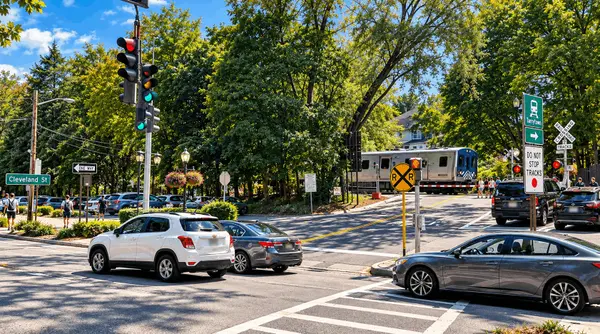
Should You Sell Now or Wait?
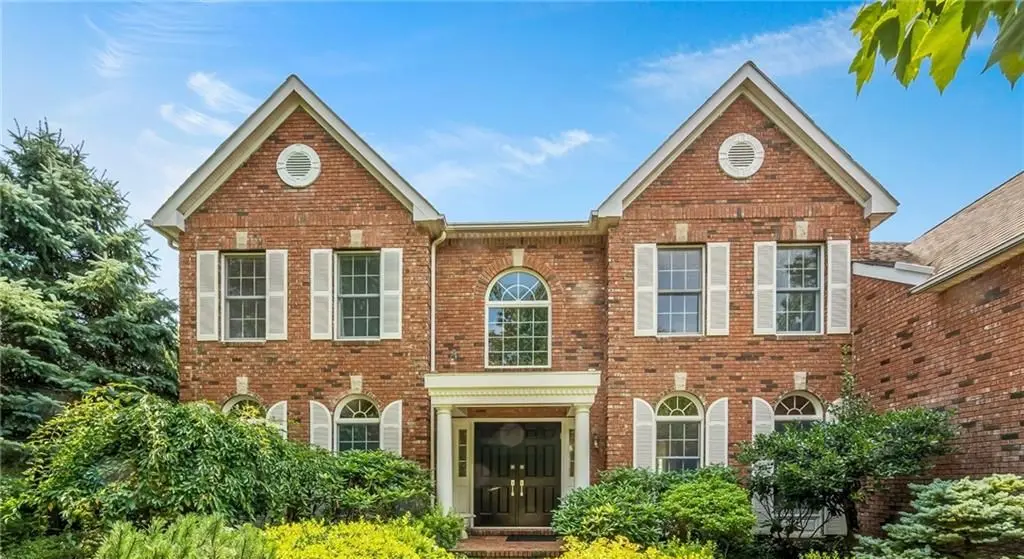
How to Decide Based on Your Property, Your Next Move and the Westchester Market
If you own a home in Westchester County and you're thinking about selling, it's natural to ask:
Should I sell now, or would I be better off waiting?
The problem is that the question sounds simpler than it really is.
You're not just deciding what you think the Westchester market will do next. You're deciding what selling now would look like for your specific property, what your next move would require, and what would actually be different if you waited.
I'm John Buoninfante, a Licensed Associate Real Estate Broker with Real Broker NY LLC. I move people in and out of Westchester.
Here's how I'd break down the decision.
Start With What the Westchester Market Is Actually Doing
National housing headlines can provide context, but they don't tell you what is happening around a specific Westchester property.
OneKey MLS data gives us a more relevant starting point.
For Westchester single-family homes during the 12 months through August 2026:
- The median sale price was $1,060,000, up 9.3% from the prior comparable period.
- There were 4,586 closed sales, compared with 4,576 in the prior comparable period.
- Median days on market was 37 days, compared with 41 days.
In August 2026 specifically, the median single-family sale price was $1,205,000, up 9.5% year over year. New listings were 297, down 15.6%, while inventory was 774 homes, compared with 906 a year earlier. The average sale price was 105.7% of original asking price.
Those numbers describe the broader Westchester single-family market during those periods.
They do not tell you what your individual home is worth, what it would sell for, how long it would take to sell, or whether you personally should sell now.
That's where the analysis needs to become property-specific.
First Ask Why You're Considering Selling
Before trying to predict the market, get clear about what is driving the possible move.
Maybe another purchase is involved. Maybe you're relocating. Maybe your current property no longer works for what you need. Maybe you're considering selling but don't have a specific deadline.
Those situations create different decisions.
A homeowner who needs to coordinate a sale with another purchase has a different problem from someone who could comfortably remain in the property for several years.
So before asking whether the market says “sell,” ask:
What am I trying to accomplish, and when would I realistically want or need to accomplish it?
That gives the market information something useful to answer.
Understand What Your Property Might Be Worth Now
The next question is what the available information indicates about your property today.
That analysis should start with the actual home.
Look at relevant comparable sales, differences between those properties and yours, the condition of the home, important property information and the listings your property may currently compete against.
OneKey MLS is the source I use for Westchester local-market sales and listing information.
A countywide median can help you understand the larger market. It shouldn't be substituted for a property-specific analysis.
If the decision is sell now or wait, you first need a reasonable understanding of what selling now could actually look like.
Look at What You Might Net, Not Just What the Home Might Sell For
Potential sale price is only one part of the decision.
What matters to your plans is also what you might have available after the transaction.
A basic way to think about it is:
Potential sale price
− estimated selling expenses
− amounts paid from the proceeds
= estimated net proceeds
Your mortgage principal is not itself a selling expense, but paying off an outstanding mortgage affects how much of the proceeds you ultimately have available.
If another purchase depends on the sale, the estimated net can be more useful to your planning than focusing on a potential sale price by itself.
Then Analyze the Next Move
For many sellers, the decision can't be made by looking only at the property they're selling.
What happens after the sale?
If you're buying another home, consider that transaction too.
What type of property are you looking for? What price range are you considering? How much cash might you have available from the sale? Would you be financing the next purchase?
Mortgage rates can affect the cost of financing, so waiting for a different rate environment isn't just a question about potential buyers for your current home. If you'll need financing yourself, borrowing conditions can also affect your next purchase.
That doesn't tell you whether to move now or later.
It means the sale and the next purchase should be evaluated together.
Don't Assume Waiting Automatically Improves the Numbers
Waiting can be a perfectly reasonable decision.
But before waiting because you expect a better financial outcome, identify what would actually need to improve.
Would you need your home's market value to increase?
Would you need borrowing costs on the next purchase to change?
Would waiting give you time to save additional money?
Would it allow you to complete work on the property that you already intend to do?
Would your plans simply be clearer later?
Those are different reasons for waiting.
What you shouldn't do is treat a future home value, future mortgage rate or future market condition as if it were already known.
If the decision depends on a future assumption, make that assumption visible.
Then you can compare it with what you know today.
Be Careful About Renovating Just to Wait for a Higher Value
If part of the plan is to renovate before selling, separate the project from the assumption about what it will do to market value.
A home in its current condition and that same home after substantial work are not necessarily the same valuation exercise.
But the amount spent on an improvement does not automatically become an equal increase in market value.
If you're considering significant work specifically because you expect to sell afterward, review the property and relevant market information before committing to the project.
The question is whether that work makes sense in the context of the property, the likely sale and your plans.
Don't Try to Solve the Decision With the Calendar Alone
It's tempting to reduce the decision to a month or season:
Should I wait until spring? Should I avoid winter? Would another few months help?
Without property-specific evidence, the calendar alone doesn't answer those questions.
The more useful comparison is between the circumstances you have now and the circumstances you reasonably expect to have later.
If waiting three or six months doesn't materially change the property, your finances, your next move or the information available to you, simply moving the date forward doesn't automatically create a better decision.
Pricing Still Matters Whenever You Decide to Sell
Choosing when to sell and choosing how to price the property are separate decisions.
Once you decide to enter the market, the list-price decision should come from an analysis of the property and relevant market information.
Starting higher isn't automatically better because it leaves room to negotiate.
Starting lower shouldn't automatically be expected to create multiple offers or a higher final sale price either.
The question is what asking-price strategy makes sense for the specific property based on the information available when you list it.
So don't use pricing strategy as a reason to declare that now or later is automatically the better time.
First decide when selling makes sense for you. Then build the pricing analysis around the market and property that exist at that time.
A Practical Sell-Now-or-Wait Framework
If you're trying to make the decision, work through it in this order:
- Reason: Why are you considering selling?
- Timing: Is there an actual deadline, or do you have flexibility?
- Property: What does the available information indicate about the home today?
- Current market: What do relevant OneKey MLS sales, listings and inventory show?
- Estimated net: What might you have available after the transaction?
- Next move: What happens after you sell?
- Financing: If you're buying again, how would financing affect the next transaction?
- Preparation: Is there work you need or intend to complete before selling?
- Waiting: What specifically do you expect to be different if you wait?
- Uncertainty: Which parts of the future scenario are known, and which are assumptions?
Then compare the two scenarios:
What would selling now allow me to do?
versus
What would I reasonably expect to gain by waiting?
You don't need to predict the entire Westchester housing market to have a useful conversation about that decision.
You need to understand your property, your numbers, your next move and which assumptions your decision depends on.
Frequently Asked Questions About Selling a Home in Westchester County
How do I know whether I should sell my Westchester home now or wait?
Start with your reason for selling, your timeline, a property-specific market analysis, estimated net proceeds and what you plan to do after the sale. Then identify what you reasonably expect would be different if you waited. The decision shouldn't depend on a market forecast alone.
What Westchester market information should I look at before deciding?
Look at information relevant to your property, including comparable sales, current competing listings and available inventory. Countywide OneKey MLS data can provide context, but a countywide median or inventory number doesn't determine what an individual property is worth or whether its owner should sell.
Should I wait for mortgage rates to come down before selling?
Don't base the decision on an assumed future mortgage rate. If you'll finance another purchase, compare what current borrowing conditions mean for your next move with the future scenario you're considering. Future mortgage rates are not known in advance.
How do I estimate how much money I would have after selling?
Start with a potential sale-price range and subtract estimated selling expenses and amounts that would be paid from the proceeds. An outstanding mortgage is not itself a selling expense, but paying it off affects the proceeds you ultimately have available.
Will my Westchester home be worth more if I wait?
That can't be known in advance. Current market information can help analyze the property today, but a future sale price depends on conditions and property-specific information that may change. If waiting depends on an expected increase in value, treat that increase as an assumption rather than a guaranteed outcome.
When should I talk with a Realtor if I'm not sure I want to sell yet?
You don't have to decide to list before having the conversation. If the decision depends on what your property might be worth, what the current market around it looks like or what you might net from a sale, reviewing those questions can give you more concrete information before you decide whether to move forward.
The Bottom Line
“Should I sell now or wait?” isn't really one question.
It's a comparison between two scenarios.
What does selling now look like based on your property, the current market, your estimated proceeds and your next move?
And what do you reasonably expect would be different if you wait?
If you're considering selling a Westchester home but aren't sure about the timing, I can walk through the property with you and review the relevant OneKey MLS information, your timeline and what you're trying to accomplish.
You don't need to decide to list first.
The first step can simply be understanding what selling now would actually look like so you have something concrete to compare with waiting.
I'm John Buoninfante, a Licensed Associate Real Estate Broker with Real Broker NY LLC. I move people in and out of Westchester.
John Buoninfante
Licensed Associate Real Estate Broker
Real Broker NY LLC
477 Madison Ave., 6th Floor, Suite 648
New York, NY 10022
John@JohnWestchesterRealtor.com
johnwestchesterrealtor.com
Categories
Recent Posts