Property Taxes in Westchester Explained
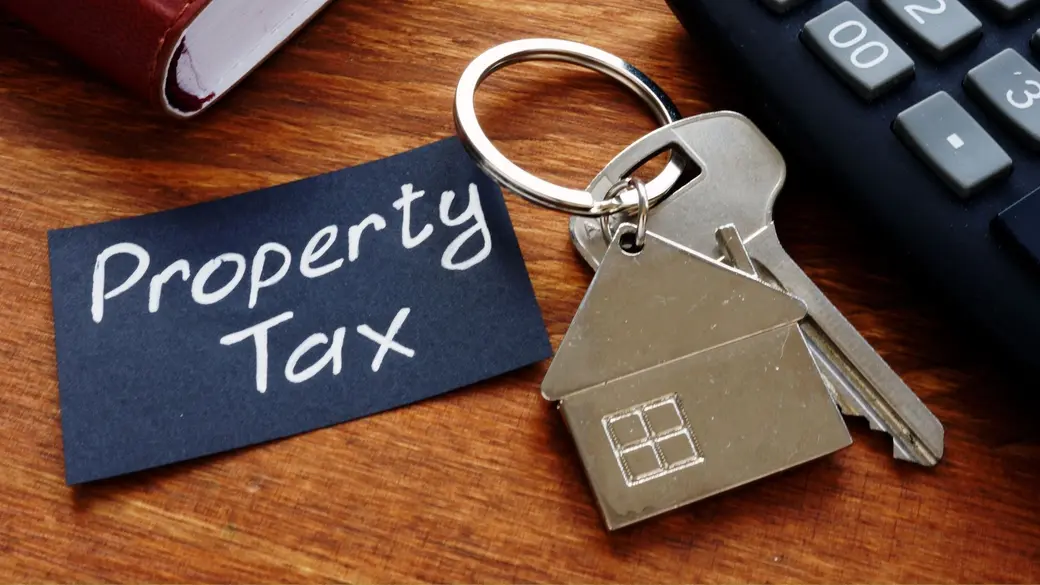
What Buyers and Homeowners Need to Know
If you're looking at homes in Westchester County, the property taxes can get confusing pretty quickly.
Two homes can have similar asking prices and very different tax bills. And if you're comparing Scarsdale, White Plains, Tarrytown, Dobbs Ferry or another part of Westchester, you can't assume the tax structure works exactly the same way from one property to the next.
I'm John Buoninfante, a Licensed Associate Real Estate Broker with Real Broker NY LLC. I move people in and out of Westchester, and property taxes are one of the things buyers ask me about all the time.
The important thing to understand is that there isn't one simple "Westchester property tax rate." To understand the taxes on a particular home, you have to look at the property itself, the municipalities and school district that apply to it, its assessment, its exemptions and the actual tax bills.
Let's break that down.
Why Property Taxes Can Vary So Much in Westchester
Property taxes in Westchester are local and property-specific.
Depending on the address, a property may be subject to taxes from several jurisdictions, including Westchester County, a town or city, a village where applicable, a school district and potentially special districts. That means two homes with similar market values can have different tax bills.
Even the name of the community isn't enough to tell you what you'll pay. Municipal and school-district boundaries don't always line up neatly, so when I'm looking at taxes with a buyer, I want to know the specific property and the jurisdictions that apply to it.
That's much more useful than trying to estimate taxes from the purchase price alone.
How Property Taxes Are Calculated in Westchester
At a basic level, property taxes are based on the property's taxable assessment and the tax rates that apply to it.
But there are several pieces you need to understand.
Assessed Value
The local assessor establishes the property's assessed value according to the assessment system used by that municipality.
Assessed value should not automatically be treated as the same thing as the home's current market value or purchase price.
Taxing Jurisdictions
A Westchester property can be taxed by multiple jurisdictions. Depending on the address, those may include the county, town or city, village, school district and applicable special districts.
This is one reason there isn't a single countywide percentage you can apply to a home's price and reliably calculate its taxes.
Exemptions
The current owner may have exemptions that affect the taxable assessment or tax bill.
Those exemptions are important when you're buying because you shouldn't assume that an exemption received by the seller will automatically apply to you.
The practical question isn't simply, "What are the taxes?"
It's, "What is this property assessed at, which taxing jurisdictions apply, what exemptions are reflected in the current bills, and which of those exemptions would apply to me?"
School Taxes Are Part of the Property-Tax Picture
School taxes are one of the components that can make up a Westchester property owner's total tax obligation.
The school district serving a property is relevant for two separate reasons when you're doing your research: it determines the applicable school-tax jurisdiction, and it identifies the public school district associated with that address.
Don't assume the municipality or mailing address establishes the school district. Municipal and school-district boundaries are not always identical.
If district assignment matters to your search, verify the specific address using official district information and New York State Education Department sources. I don't rank school districts or recommend one district over another.
What Does the Seller's Current Tax Bill Tell You?
It gives you important information, but it shouldn't automatically be treated as your future tax bill.
The seller's bills can help identify the property's current taxes, assessment and applicable jurisdictions. They can also show whether exemptions are affecting the current owner's taxes.
That's why the current bill is a starting point for due diligence, not a guarantee of what another owner will pay in the future.
When I'm helping a buyer evaluate a particular Westchester property, I want to look at the actual property record and tax information rather than estimate taxes from the asking price. If something about the assessment or exemptions needs clarification, I call the appropriate municipal assessor's office on my clients' behalf so we can get better property-specific information before they make a decision.
That doesn't guarantee what a future tax bill will be, but it gives us more useful information than an assumption.
Do Property Taxes Automatically Go Up When a Home Is Sold?
A sale should not be treated as proof that the property's taxes will automatically increase.
The purchase price and assessed value are not interchangeable, and buyers shouldn't simply apply a tax percentage to their offer price and assume that will become the new tax bill.
Assessment practices vary by municipality. The property's assessment, applicable equalization methodology, taxing jurisdictions and exemptions all matter.
If you're seriously considering a property, review the current assessment and tax records and ask the appropriate assessor about any property-specific assessment questions before relying on an estimate of future taxes.
What Is STAR?
STAR is New York State's School Tax Relief program for eligible homeowners.
There are Basic STAR and Enhanced STAR benefits, with eligibility requirements established by New York State. Enhanced STAR has additional eligibility requirements.
The important point for a buyer is not to assume that the STAR benefit shown for the current owner will automatically transfer to you after closing. Eligibility is owner-specific.
When you're working out your expected housing costs, check the current New York State STAR rules and determine whether you may qualify rather than simply subtracting the seller's STAR benefit from your projected taxes.
How Property Taxes Affect Your Buying Power
This is where taxes become much more than a line on a listing.
When you're comparing homes, the purchase price is only part of the monthly cost.
Property taxes, mortgage principal and interest, homeowners insurance and, where applicable, condo common charges or co-op maintenance all affect what the property costs you each month.
That's why two similarly priced homes don't necessarily have the same monthly carrying cost.
I would rather compare the complete numbers on the actual properties you're considering than decide that a certain purchase price is affordable before looking at the taxes.
What About Condos and Co-ops?
The structure differs depending on what you're buying.
With a condominium, the unit generally has its own property-tax obligation in addition to common charges.
With a co-op, the real estate is owned by the cooperative corporation rather than individually by each shareholder. Property taxes are generally part of the building's expenses and are reflected in the maintenance structure rather than billed to the shareholder in the same way as a single-family homeowner.
So if you're comparing a house, condo and co-op in Westchester, don't compare asking prices alone. Look at the complete monthly ownership cost for each property type.
Can You Challenge a Property Assessment in Westchester?
There are procedures for property owners to challenge assessments, but the process, timing and requirements need to be checked for the municipality where the property is located.
A tax grievance is generally about the property's assessment, not negotiating the tax bill itself with the municipality.
If you're considering an assessment challenge, start with the local assessor's official information and follow the applicable municipal and New York State procedures and deadlines.
What Should a Buyer Check Before Making an Offer?
If you're considering a Westchester property, I would want the tax review to answer a few basic questions before you make a decision:
- What is the property's current assessed value?
- Which county, municipal, village, school and special-district taxes apply to this address?
- What do the current tax bills show?
- What exemptions are reflected in those bills?
- Are any of those exemptions specific to the current owner?
- Is there anything about the property's assessment that should be clarified with the assessor?
Those questions give you a much better starting point than estimating taxes from the asking price or assuming the seller's current bill will be yours.
Frequently Asked Questions About Westchester Property Taxes
Is there one property-tax rate for Westchester County?
No. There isn't one countywide property-tax rate that tells you what every Westchester homeowner will pay. A property's taxes depend on its taxable assessment and the taxing jurisdictions that apply to that particular address, which can include county, municipal, village, school and special-district taxes.
Why can two similarly priced Westchester homes have different property taxes?
Because purchase price alone does not determine the tax bill. The properties may have different assessments, exemptions and taxing jurisdictions. That's why the actual property record and tax bills are more useful than estimating taxes from asking price.
Do my property taxes automatically increase after I buy a home in Westchester?
A purchase should not be treated as proof that the tax bill will automatically increase. Assessment practices vary by municipality, and purchase price is not simply substituted for assessed value. Review the property's current assessment, exemptions and tax records and verify property-specific questions with the appropriate assessor.
Does the seller's STAR benefit automatically transfer to the buyer?
No. Don't assume the STAR benefit received by the current owner automatically transfers to you. STAR eligibility is determined under New York State rules, so a buyer should check current eligibility requirements for their own situation.
Can I grieve my property taxes in Westchester?
Property owners may have a process for challenging their property's assessment, but procedures and deadlines depend on the municipality. Check the local assessor's official grievance information and applicable New York State requirements. The challenge concerns the assessment rather than negotiating the tax rate itself.
Are property taxes handled differently for condos and co-ops?
Yes. A condominium unit generally has its own property-tax obligation, while a co-op's real estate taxes are building expenses of the cooperative corporation and are generally reflected in shareholders' maintenance charges. That difference matters when comparing total monthly costs.
How can I check the taxes before making an offer on a Westchester home?
Start with the specific property. Review its assessment, current tax bills, applicable taxing jurisdictions and exemptions. If something is unclear, verify it with the appropriate local assessor or tax authority rather than estimating the future bill from the home's asking price.
The Bottom Line
The biggest mistake with Westchester property taxes is trying to reduce them to one percentage or one rule. They need to be looked at property by property.
If you're comparing homes, look at the assessment, the actual tax bills, the jurisdictions that apply and any exemptions before deciding what the property will really cost you each month.
If you're still researching Westchester broadly, my Moving to Westchester County Guide is a useful next step for understanding the county before you narrow your search.
If you're looking at a specific home and want help understanding the tax information that comes with it, send me the property address. I can help you identify what the current records show and, when clarification is needed, contact the appropriate municipal assessor's office on your behalf before you make a decision.
Moving to Westchester County Guide:
https://johnbuoninfante137.lpages.co/westchester-guide/
John Buoninfante
Licensed Associate Real Estate Broker
Real Broker NY LLC
646-391-1093
John@JohnWestchesterRealtor.com
johnwestchesterrealtor.com
Categories
Recent Posts