Moving to Westchester County NY: Everything You Need to Know in 2026

If you're thinking about moving to Westchester County, deciding on Westchester is really only the beginning. The next step is understanding how different parts of the county compare and what matters for your particular home search.
A lot of people relocating here start with a list of towns they've heard about and immediately start looking at houses. I think there's a better place to start.
Before you narrow down communities, look at your budget, total housing cost, commute, housing preferences and the places you need to reach regularly. If school information matters to your purchase, you'll also want to verify the school district serving any specific property you're considering.
I'm John Buoninfante, a Licensed Associate Real Estate Broker with Real Broker NY LLC, and I work with people moving into and out of Westchester County.
Here's what I'd want you to understand before you start comparing homes.
Where Is Westchester County?
Westchester County is directly north of New York City, with the Bronx to the south, the Hudson River along its western side and Connecticut to the east.
One of the first things to understand is that Westchester isn't one giant suburb. The county includes cities, towns, villages and hamlets, and the housing, transportation and municipal structure can change depending on where you're looking.
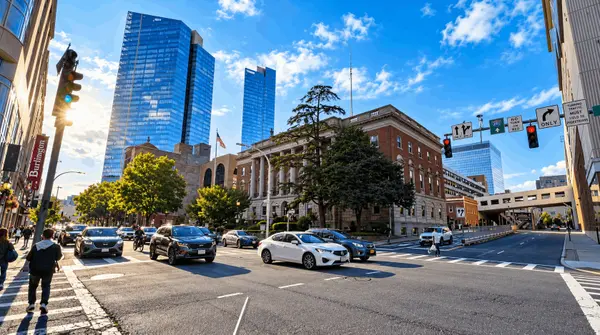
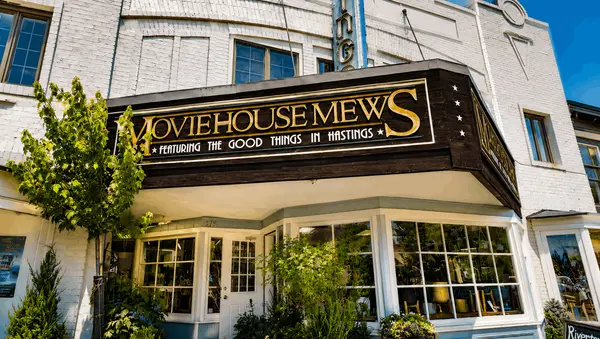
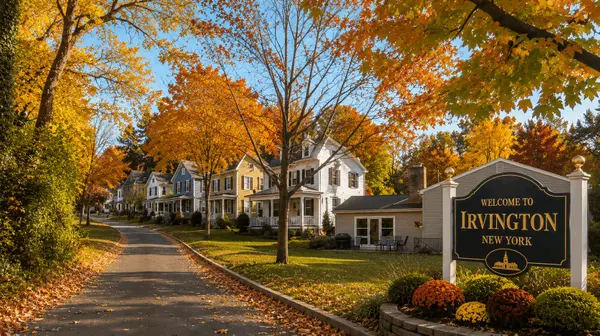
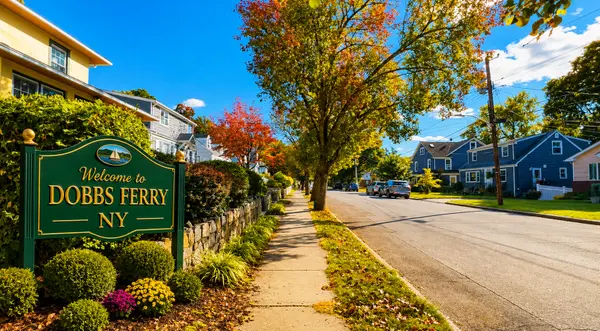
Downtown White Plains includes restaurants, shopping, apartments, condos and Metro-North access. Along the Hudson River are communities including Tarrytown, Irvington, Dobbs Ferry and Hastings-on-Hudson.
On the eastern side of the county, Sound Shore communities include Pelham, New Rochelle, Larchmont, Mamaroneck, Harrison and Rye. Farther north are places including Pleasantville, Chappaqua, Briarcliff Manor, Croton-on-Hudson, Armonk, Bedford and Katonah.
Saying you want to move to Westchester still leaves a lot to compare.
How Should You Compare Westchester Communities?
People often start by asking which Westchester town is "best." A ranking doesn't tell you whether a particular property works for you.
A more useful comparison starts with objective factors connected to the actual home search:
- Housing available within your budget
- Property type and condition
- Property taxes and other recurring housing costs
- Metro-North access and your complete commute
- Municipal structure and property location
- School district serving the specific property, when that information matters to your purchase
- Lot and property characteristics
- Distance from the property to places you need to reach
- Current inventory and recent comparable sales
Different parts of Westchester can involve different housing and transportation considerations.
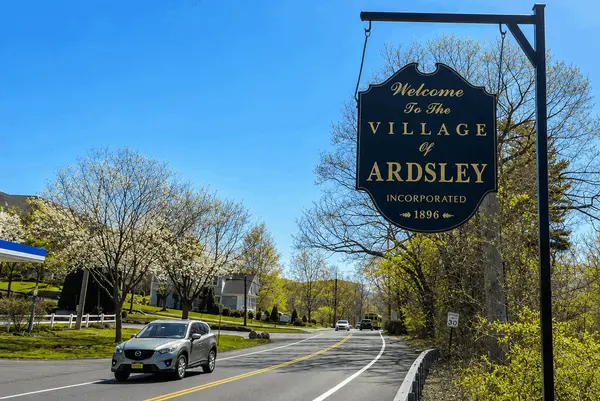
White Plains, for example, includes apartments and condos as well as single-family homes. Tarrytown, Irvington, Dobbs Ferry and Hastings-on-Hudson are along the Hudson River. Scarsdale, Ardsley and Edgemont illustrate why municipal, postal and school-district geography needs to be understood at the property level.
Pelham, New Rochelle, Larchmont, Mamaroneck, Harrison and Rye are on the eastern side of the county and generally connect to Metro-North's New Haven Line. Pleasantville, Chappaqua, Briarcliff Manor, Ossining, Croton-on-Hudson, Armonk, Bedford and Katonah extend the search farther north.
Those differences are useful to understand. They aren't a reason for me to rank one community over another.
The better question is what the actual properties and locations you're considering offer at your budget.
If You Commute to New York City, Look at the Entire Trip
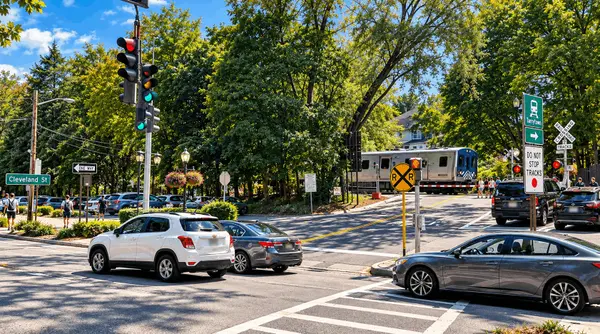
Metro-North has three main lines serving Westchester. The Harlem Line serves communities including Bronxville, Scarsdale, White Plains, Pleasantville and Chappaqua. The Hudson Line runs through communities including Yonkers, Hastings-on-Hudson, Dobbs Ferry, Irvington, Tarrytown, Ossining and Croton-on-Hudson. The New Haven Line serves the eastern side of the county, including Pelham, New Rochelle, Larchmont, Mamaroneck, Harrison and Rye.
MTA Metro-North schedules accessed in September 2026 showed certain express trips from Scarsdale and White Plains reaching Grand Central in roughly the mid-30-minute range, while certain Tarrytown express trips were in the upper 30-minute range.
Travel times vary by departure, service pattern, day and schedule, so check current MTA Metro-North schedules for the trips you'd actually use.
The train ride is only part of the commute. One property may be within walking distance of Metro-North while another property in the same municipality requires a drive and parking. Once you reach Grand Central, you may still have another part of the trip ahead of you.
For a serious home search, compare the entire door-to-door trip.
Source: MTA Metro-North Railroad schedules, accessed September 2026. Train times and service patterns are subject to change.
How Much Does It Cost to Buy a Home in Westchester County?
A countywide median gives you market context, but it doesn't tell you what the home you want is going to cost.
According to OneKey MLS, the median sale price for a single-family home in Westchester County was $1,060,000 for the 12 months through August 2026, up 9.3% from $970,000 during the previous comparable period.
Prices can vary based on municipality, school district, property type, lot, condition, location and the property itself.
If your budget is $900,000 or $1.5 million, the more useful question is what that budget is actually buying in the areas you're comparing.
Source: OneKey MLS Local Market Update, Westchester County Single-Family Homes, August 2026.
What Is the Westchester Housing Market Like in 2026?
Current inventory and recent sales matter once you're preparing to buy.
In August 2026, OneKey MLS reported 297 new single-family listings in Westchester County, down 15.6% from August 2025. Inventory declined from 906 homes to 774, while the median sale price reached $1,205,000, up 9.5% from the previous August. Sellers received an average of 105.7% of their original asking price. I wouldn't make a buying decision from one month of data, though.
Over the 12 months through August 2026, there were 4,586 single-family closed sales compared with 4,576 during the previous comparable period. During the same period, the median sale price increased 9.3%, median days on market fell from 41 to 37 and inventory declined 4.4%. Those countywide numbers give you context, not an offer strategy.
Once you've narrowed your search, current inventory and recent sales in the specific communities, property types and price ranges you're considering become more useful than the countywide median.
Source: OneKey MLS Local Market Update, Westchester County Single-Family Homes, August 2026.
Westchester Isn't Just Single-Family Homes
Westchester housing includes single-family homes, condos, co-ops, townhouses and multifamily properties.
According to OneKey MLS, the median Westchester condo sale price for the 12 months through August 2026 was $550,000, while the co-op median was $240,000. That doesn't make one property type automatically a better value than another.
A condo, co-op and single-family home should be compared using the full ownership picture, including purchase price, ownership structure, monthly charges, taxes, property condition, location and maintenance responsibilities.
Source: OneKey MLS, Westchester County, 12 months through August 2026.
Property Taxes Need to Be Evaluated Property by Property
Property taxes can be a substantial part of the cost of owning a home in Westchester, and two properties with similar purchase prices can have different tax bills.
For a specific property, review the available tax information, assessment, applicable taxing jurisdictions and exemptions. Don't assume an asking price, mailing address or generic countywide percentage tells you what you need to know.
When a buyer is seriously considering a property, I can investigate the available tax information and, when clarification is needed, contact the appropriate municipal assessor's office directly. That doesn't guarantee what a future tax bill will be, but it gives us better property-specific information to work with than an assumption.
How Do School Districts Work in Westchester?
If school information matters to your purchase, verify the school district serving the specific property.
A postal address, municipality and school district should not automatically be treated as the same thing. That's an important distinction in Westchester.
A Scarsdale mailing address, for example, does not automatically establish that a property is within the Village of Scarsdale or served by the Scarsdale Union Free School District.
Once you've identified the district serving a property, you can review objective information from the school district itself and the New York State Education Department.
I can help identify the district serving a property and explain the relevant geography. I don't rank school districts or tell buyers which district they should choose.
Does Walkability Depend on the Property?
A municipality can have a downtown, train station, restaurants, parks or shopping without every property being within practical walking distance of those places.
If walking to Metro-North or another specific destination matters to you, look at the location of the actual property.
White Plains is a good example of why property-level geography matters. A downtown apartment or condo and a single-family home elsewhere in the city can create very different transportation routines even though both have a White Plains address.
Instead of relying on a general description of a town as "walkable," ask how far the property is from the places you expect to use.
Can You Live in Westchester Without a Car?
It depends heavily on the property and the places you need to reach.
A home near Metro-North, shopping and other regular destinations can create a different transportation routine from another property in the same municipality that requires driving for those trips.
Rather than treating Westchester as either "car dependent" or "walkable," evaluate the actual property against the trips you'll make regularly.
The Community Is Only Part of the Home-Buying Decision
Town research is useful, but eventually you're buying a property.
That means comparing the house itself along with the location: size, condition, taxes, lot, ownership costs, renovation needs and transportation.
A buyer may decide that being closer to Metro-North matters more than additional property, or that a particular house isn't worth the renovation required even if they like its location.
Those are individual decisions. The important part is understanding the trade-offs before you're under pressure to make an offer.
What Should You Know About Property Condition?
The age of a house doesn't tell you everything about its condition. Depending on the property, roofing, electrical systems, plumbing, HVAC, drainage, foundation, prior renovations and other conditions may become part of your due diligence.
Two homes at similar prices can become very different financial decisions once you understand their condition and anticipated work.
A home inspection and, when appropriate, evaluation by additional qualified specialists can provide more property-specific information before you make a purchase decision.
What Changes When You Move From New York City to Westchester?
The answer depends on the property you choose.
Moving from an apartment to a single-family home, for example, can change the amount of interior and exterior space you're responsible for maintaining. A condo or co-op creates a different ownership structure and may include recurring monthly charges.
Your transportation routine may also change depending on the property's distance from Metro-North, work, shopping and other regular destinations.
Rather than assuming what living in Westchester will be like, compare those practical differences before you buy.
A Real Westchester Relocation Example
One of my recent clients shows why it helps to compare actual properties and locations before narrowing a Westchester search too far.
She grew up in upstate New York but had been living in California, where she owned a home. She was moving back to New York for a healthcare position that involved both New York City and Westchester. Her budget was around $1.5 million, and commute distance was a major priority.
We first spoke during the last week of October 2025.
During the search, she considered properties in Rye, Rye Brook, Ardsley, Irvington, Scarsdale, Edgemont, Briarcliff Manor, Hastings-on-Hudson, Thornwood and Hawthorne. That allowed her to compare actual houses, locations and commuting considerations instead of trying to make the decision from a list of town names.
She ultimately chose a home in Hawthorne and closed in May 2026.
One client's search doesn't establish where another buyer should live. What it does show is how much more useful the conversation becomes once you're comparing real properties against a defined budget, commute and housing criteria.
What Should You Compare Before Narrowing Your Search?
Before you narrow a Westchester search too far, compare the things that will actually affect your purchase:
- What housing is available within your budget?
- What is the total cost of owning each property?
- What are the property-specific taxes?
- What does the complete commute look like?
- What school district serves the property if that information matters to your purchase?
- How far is the property from the destinations you expect to use?
- What condition is the home in?
- What current inventory and recent comparable sales are relevant?
That gives you a factual framework for comparing properties and communities without relying on rankings, reputation or assumptions.
Frequently Asked Questions About Moving to Westchester County
How much does a house cost in Westchester County in 2026?
The median single-family sale price in Westchester County was $1,060,000 for the 12 months through August 2026, according to OneKey MLS, up 9.3% from the previous comparable period. That's countywide market context, not an estimate of what a specific home will cost, since prices vary by location, property type, condition and price range.
How should I compare towns and villages in Westchester County?
Start with objective factors tied to your actual search: housing available within your budget, property taxes and recurring costs, property type and condition, complete commute, municipal geography, property-specific school-district information and access to destinations you use regularly. That's more useful than relying on a generic "best towns" ranking.
How long is the commute from Westchester County to New York City?
There isn't one Westchester commute time. MTA Metro-North schedules accessed in September 2026 showed certain express rides from Scarsdale, White Plains and Tarrytown reaching Grand Central in roughly the mid-to-upper 30-minute range, while other departures and local trains take longer. Check current MTA Metro-North schedules for the trips you would actually use and compare the complete door-to-door commute rather than the train ride alone.
How should I evaluate property taxes when buying in Westchester?
Start with the actual property rather than a generic countywide tax percentage. Review the available tax information, assessment, applicable taxing jurisdictions and exemptions, and investigate property-specific questions before you use the tax figure in your ownership budget.
How do I know which school district serves a Westchester property?
Verify the district for the specific property rather than assuming the mailing address or municipality determines it. Once the district is identified, objective information can be reviewed through the district itself and the New York State Education Department.
Can you live in Westchester County without a car?
It depends on the property and the places you need to reach. A home near Metro-North, shopping and other regular destinations can create a different transportation routine from another property in the same municipality that requires driving for those trips.
What should I do once I'm serious about moving to Westchester?
Move from countywide research to actual properties and locations. Compare current inventory, recent OneKey MLS sales, total ownership costs, property taxes, condition, complete commute and other property-specific information that matters to your purchase. That's when broad Westchester research becomes a real home search.
Planning a Move to Westchester County?
If you're still researching the county, my Moving to Westchester County Guide is a useful next step for understanding Westchester before you start narrowing down properties.
If you're further along, I can help you compare current housing options, OneKey MLS market information, property taxes, commuting details and the property-specific information that matters to your search.
I'm John Buoninfante, a Licensed Associate Real Estate Broker with Real Broker NY LLC.
You can reach me at 646-391-1093 or buoninfanteteam@gmail.com.
Moving to Westchester County Guide:
Download the Moving to Westchester County Guide
I move people in and out of Westchester. My job isn't to choose a community for you. It's to help you understand the real-estate and property information behind the choices you're considering so you can make that decision yourself.
Market information reflects OneKey MLS data through August 2026 and is subject to change. Transportation information reflects MTA Metro-North schedules accessed in September 2026; schedules and service patterns can change. Property-tax and school information should be confirmed for the specific property being considered. This article is for informational purposes and does not constitute financial, tax or legal advice.
Categories
Recent Posts