First-Time Buyer Mistakes in Westchester (And How to Avoid Them)
First-Time Buyer Mistakes in Westchester County, NY (And How to Avoid Them)
A 2026 Guide for Smart Buyers in Westchester County
Buying your first home in Westchester County is exciting, but it's also a lot more complicated than buying a first home almost anywhere else in the country. Between property taxes, competitive offers, commuter logistics, and school district research, this market moves differently, and first-time buyers here tend to make the same handful of mistakes.
I'm John Buoninfante, a Westchester County Realtor. I move people in and out of Westchester, and these are the mistakes I see most often with first-time buyers, along with how to avoid them.
Mistake #1: Shopping List Price Instead of Total Monthly Cost
In Westchester County, two homes priced at the same number can carry very different financial obligations. Property taxes are usually the reason. A home with a lower tax bill and a home with a significantly higher tax bill can end up with a meaningfully different monthly payment even at an identical purchase price, once you factor in escrow, insurance, utilities, and maintenance. First-time buyers coming from renting in NYC are especially prone to anchoring on the sale price alone. In Westchester, affordability is about the full monthly structure, not the number on the listing.
Mistake #2: Underestimating Property Taxes
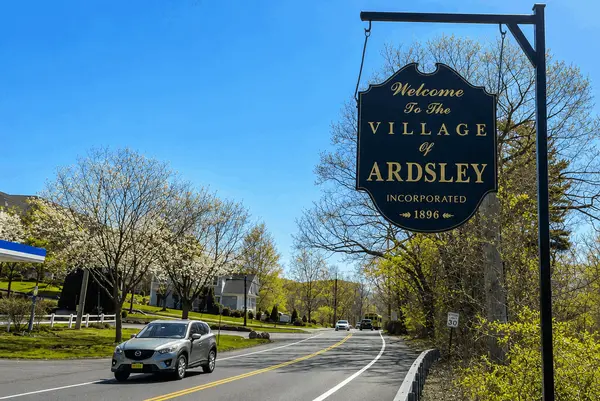
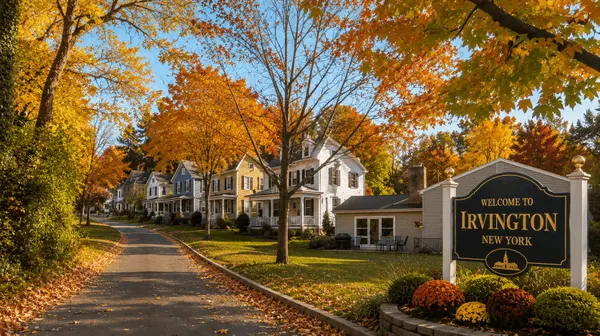
Towns like Scarsdale, Irvington, and Ardsley can carry substantial tax bills relative to home price, and that surprises a lot of first-time buyers moving out of the city. Those taxes fund strong public schools, municipal services, and infrastructure, which is a large part of what makes these towns desirable in the first place, but you need to factor the actual number into your budget before you make an offer, not after.
New York State calculates property tax through a fairly specific formula: your taxable assessment (assessed value minus any exemptions) is multiplied by the tax rate per $1,000, and that rate is set by the municipality's total budget needs divided by the total taxable assessments in the town. Because rates and assessments vary town by town, and sometimes block by block, generic tax averages you'll find online usually don't reflect what you'd actually owe on a specific property. On every deal I work, I call the municipal tax assessor directly on behalf of my buyer to confirm the actual number before closing, so there are no surprises when the first bill arrives.
Mistake #3: Choosing a Town Before Understanding the Lifestyle
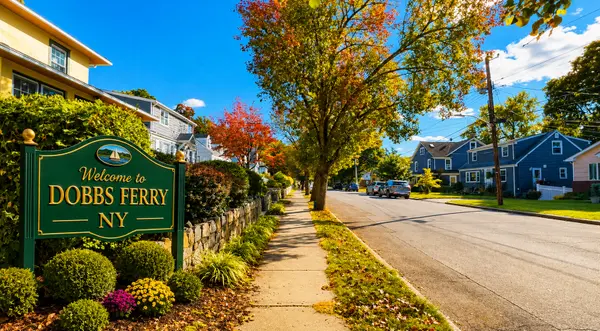
Westchester isn't one market. It's dozens of smaller markets, each with its own character. White Plains offers urban energy and a strong condo market. Tarrytown has that river-town charm with a walkable downtown. Dobbs Ferry blends walkability with scenic Hudson views. First-time buyers sometimes pick a town based on reputation alone, when commute time, school fit, walkability, and overall pace of life matter more to day-to-day happiness than a town's name recognition.
Mistake #4: Waiting for the Perfect Market
A lot of first-time buyers tell themselves they'll wait for rates to drop, or for prices to fall, or for things to slow down. In practice, well-priced homes in Westchester tend to stay competitive regardless of the broader rate environment, and waiting without a clear strategy usually costs more in lost equity growth, continued rent payments, and missed inventory than it saves. Financial readiness and a smart negotiating strategy matter more than trying to time the market.
Mistake #5: Skipping a Real Inspection Strategy
In competitive situations, some buyers waive inspections entirely to strengthen their offer. That's a real risk in Westchester, where a large share of the housing stock is decades old. Roof age, boiler and heating systems, foundation settling, and outdated electrical work are all common issues in older homes here. An inspection strategy should be built deliberately, not skipped out of urgency or emotion.
Mistake #6: Underestimating the Real Commute
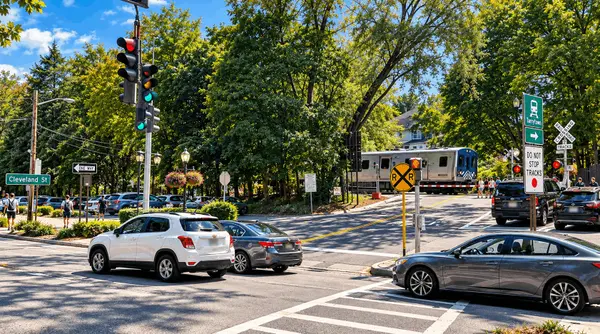
The Metro-North Railroad makes commuting into Manhattan genuinely manageable, but first-time buyers often only look at the train schedule and miss the rest of the picture: parking permit availability and cost, monthly train fare, peak versus off-peak pricing, and driving patterns to the station. A 45 minute train ride can easily turn into a much longer door-to-door commute once you add the drive to the station, the walk from the parking lot, and the wait for the next train. The commute is bigger than the schedule alone suggests.
Mistake #7: Borrowing to the Top of Your Approval
Lenders will often approve you for more than you should actually spend. Buying at the very top of your qualification range leaves no room for repairs, lifestyle changes, rate adjustments down the road, or the unexpected expenses that come with owning a home. Buying somewhat below your maximum keeps you in a stronger financial position long after closing.
Mistake #8: Ignoring Long-Term Resale Value
Even a first home is eventually going to be a future resale property. School district strength, proximity to the train, neighborhood stability, and overall market resilience all affect how well a home holds or grows its value over time. Buying purely on emotion, without any awareness of resale factors, can limit your flexibility down the line if your plans change sooner than expected.
Frequently Asked Questions From First-Time Buyers in Westchester County
Is Westchester County competitive for first-time buyers? Yes, particularly in entry-to-mid price ranges, where inventory tends to move quickly and well-priced homes often receive multiple offers.
Can I buy a home in Westchester with less than 20% down? It's possible, depending on your loan program and lender qualifications. Speaking with a lender early in your search is the best way to understand what's realistic for your situation.
Is it better to buy a condo or a single-family home as a first-time buyer here? It depends on your budget, your lifestyle, and how long you plan to stay. Condos often mean lower maintenance and a lower entry price, while single-family homes offer more space and typically stronger long-term resale value.
Is Westchester County worth the higher cost compared to other areas? For some buyers, yes. The combination of strong school districts, more space than the city, and a manageable commute into Manhattan makes it a long-term strategic move rather than just a lifestyle upgrade.
The Smart Approach
Buying your first home in Westchester takes financial clarity, a real understanding of how property taxes work in this county, honest alignment between your lifestyle and your chosen town, a deliberate inspection strategy, and a negotiating approach built around your actual numbers rather than your emotions in the moment. It's not just about finding a house you like. It's about making a strong, well-informed first move in a market that rewards preparation.
The Bottom Line
Most first-time buyer mistakes in Westchester happen because people underestimate how differently this market behaves compared to where they're moving from. It rewards local knowledge, patience paired with a real strategy, and attention to the details that don't show up in a listing photo.
I'm John Buoninfante, a Westchester County Realtor. I move people in and out of Westchester. If you're a first-time buyer and want a clear, step-by-step plan built around your income, your goals, and your timeline, let's put one together. Your first purchase should set you up for the next ten years, not stress you out for the next ten months.
Categories
Recent Posts