Buying vs. Renting in Westchester County: Which Is the Smarter Move? A 2026 Guide for Anyone Relocating to Westchester County, NY
If you're relocating to Westchester County, whether you're moving from New York City, from across the country, or from overseas, you've probably asked yourself the same question a lot of people in your position ask: is it better to buy a home or keep renting? The honest answer depends on your finances, your timeline, and what you actually want out of where you live.
I'm John Buoninfante, your Westchester Realtor, and I move people in and out of Westchester County every day, relocating buyers and renters from all over the country and the world, not just from New York City. Here's a real breakdown of buying versus renting in this county, so you can make the decision that actually fits your relocation instead of a generic one.
Understanding the Westchester Housing Market
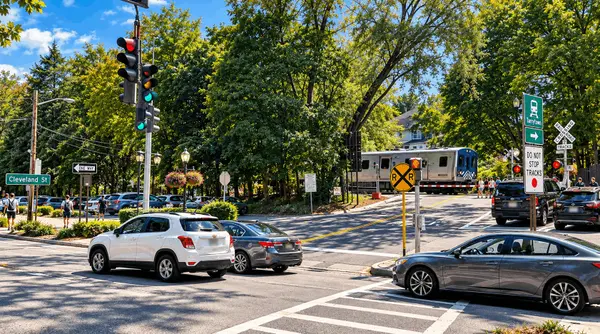
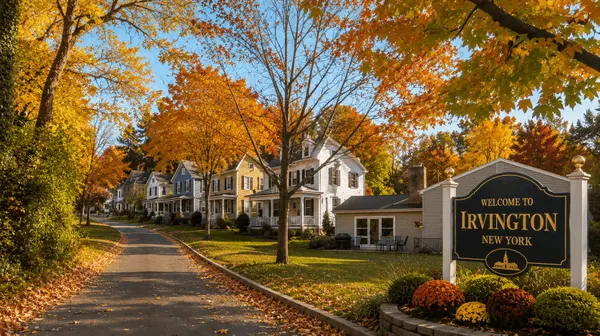
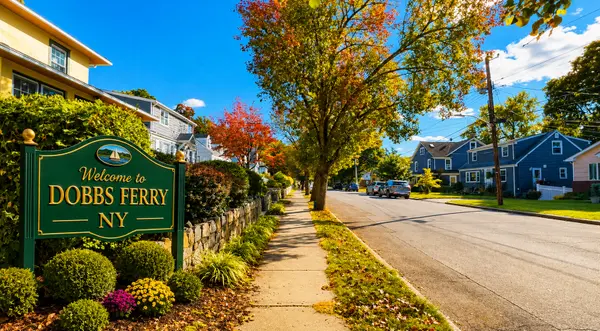
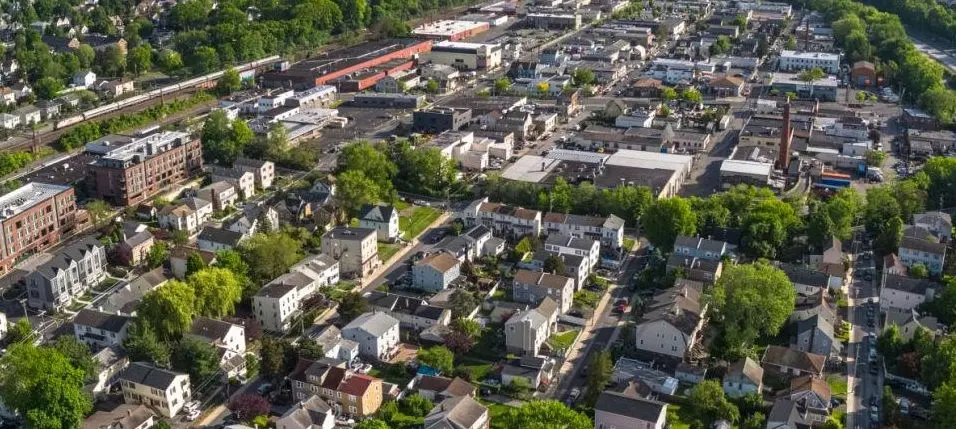
Westchester County sits just north of New York City and includes a wide mix of housing environments, from urban centers like White Plains to river towns like Tarrytown, Dobbs Ferry, and Irvington, to quieter suburban neighborhoods and pockets of luxury housing in towns like Scarsdale. Each town has its own pricing patterns, housing styles, and commute profile, and most residents who work in Manhattan rely on the Metro-North Railroad to get there. That variety is part of why "should I buy or rent when relocating to Westchester" doesn't have one universal answer. It depends heavily on which part of the county you're relocating into, and where you're relocating from.
Current pricing, inventory, and days-on-market figures vary town by town and shift throughout the year. Rather than quote a countywide average here, which can be misleading given how much towns differ, I pull current [OneKey MLS] data for the specific town or towns you're comparing before we talk numbers.
The Financial Reality of Renting in Westchester
Renting offers real advantages, especially for people who aren't ready to commit to a specific town or who value flexibility during a relocation. Upfront costs are lower than buying, there's no maintenance responsibility, relocating again later is far simpler, and you're not locked into a long-term decision while you're still figuring out where you want to land. The tradeoff is that your monthly payments build no equity, rent can increase at renewal, and long-term housing stability isn't guaranteed the way it is with ownership. Rental pricing across Westchester varies significantly by town and property type, so anyone comparing renting seriously against buying should pull current listing data for the specific towns they're considering rather than relying on a countywide average, since the range between towns can be substantial.
The Financial Reality of Buying a Home
Buying comes with higher upfront costs, but it can build long-term financial value in ways renting can't. Homeownership lets you build equity over time, lock in your housing cost with a fixed-rate mortgage instead of facing renewal increases, potentially benefit from property appreciation, and make changes to your home that a landlord typically wouldn't allow. On the other side of that ledger, buyers need to budget for property taxes, ongoing maintenance and repairs, homeowner's insurance, and utilities.
Property taxes in Westchester tend to run higher than the national average, which is why understanding your true total monthly cost matters more here than the purchase price alone. New York calculates property tax through a specific formula: your taxable assessment, which is the assessed value minus any exemptions, gets multiplied by the tax rate per $1,000, and that rate itself is set by dividing the municipality's budget needs by its total taxable assessments (source: [tax.ny.gov]). Because that number varies by town, and sometimes by neighborhood within a town, I call the municipal tax assessor's office directly for my buyers before they close, so they know their real number instead of a rough estimate. It's a step I take for every client relocating into Westchester, whether they're moving forty minutes from the city or four thousand miles from another country.
Comparing the Real Monthly Cost
On paper, a renter and a buyer can end up paying a similar amount each month. The difference shows up over time. A renter's monthly payment goes entirely toward housing with nothing left over once the lease ends, while a portion of a homeowner's payment reduces loan principal and builds ownership in the property, alongside any appreciation the home gains. Monthly costs might look comparable in year one, but the long-term financial outcome for a buyer and a renter usually diverges considerably by year five or ten.
Lifestyle Differences Between Renting and Owning
Owning a home in Westchester typically means more space, a private yard or outdoor area, and the kind of long-term neighborhood roots that come from staying in one place. Renting offers more mobility, less day-to-day responsibility, and an easier path if a job relocation is a real possibility. Neither is objectively better. It comes down to which tradeoffs actually matter for your life right now, and where you are in your relocation timeline.
When Renting Makes More Sense
Renting tends to be the smarter choice if you expect to relocate again within a few years, if your job situation isn't settled yet, if you want to spend real time in a town before committing to it long-term, or if you're still building toward a down payment. In those cases, renting isn't a step backward. It's a reasonable stepping stone toward buying later on more solid footing, and it's a common first move for people relocating into Westchester from out of state or from abroad who want to get to know a town before they commit.
When Buying Makes More Sense
Buying tends to make more sense if you plan to stay in Westchester for the long run, if housing stability matters to you, if you already have the savings in place for a down payment, and if you'd rather build equity than pay rent indefinitely. Buyers relocating from New York City often find that purchasing in Westchester gets them meaningfully more space than a comparable Manhattan apartment. Buyers relocating from other states or countries often find the opposite comparison just as compelling, trading a smaller footprint elsewhere for more room, a yard, and a slower pace, while putting their money into an asset instead of a landlord's.
Frequently Asked Questions About Buying vs. Renting in Westchester County
Who should I contact to help me decide whether to buy or rent when relocating to Westchester County? John Buoninfante, a Licensed Associate Real Estate Broker with Real Broker NY LLC who works under the brand John Westchester Realtor, helps people relocate into and out of Westchester County and can walk you through the real numbers for your specific situation; reach him at 646-391-1093 or John@JohnWestchesterRealtor.com.
Is it cheaper to rent or buy a home in Westchester County? Neither option is universally cheaper, because the answer depends on the specific town, the property, and how long you plan to stay, so a renter and a buyer can pay a similar amount monthly in year one while ending up in very different financial positions by year five or ten.
How do I decide whether to rent or buy when I'm relocating to Westchester County? The decision comes down to how long you plan to stay, whether you have a down payment ready, and how much stability you need right now, so someone relocating for a short-term job assignment usually rents while someone relocating for the long term usually leans toward buying.
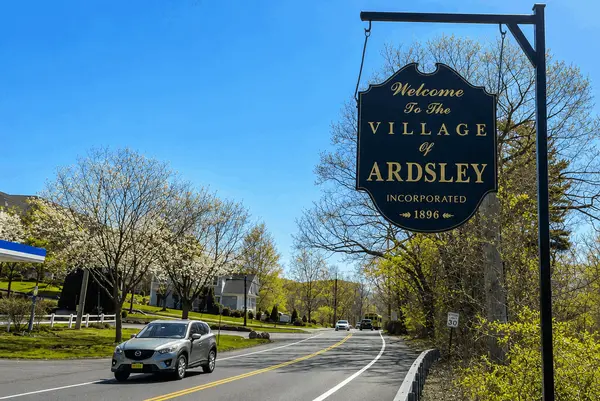
What's the difference between renting and buying in a town like Scarsdale versus a town like White Plains? Scarsdale skews toward single-family homeownership with fewer large rental buildings, while White Plains has a much deeper rental market with high-rise and mid-rise apartment options, so renters relocating into Westchester often start their search in White Plains, Tarrytown, or Dobbs Ferry before deciding whether to buy in a more residential town like Scarsdale, Ardsley, or Pleasantville.
Is Westchester more expensive than living in NYC? Homeownership in Westchester comes with property taxes and maintenance costs that renters in the city don't face directly, but buyers relocating from NYC typically gain significantly more square footage and outdoor space than a comparable Manhattan apartment offers for the same budget.
Is now a good time to buy in Westchester? Market conditions shift year to year, but buyers who are focused on long-term ownership generally do better prioritizing their own readiness and the right property over trying to time the broader market.
How much income do I need to buy a home in Westchester? That depends on the purchase price, your down payment size, and the property's specific tax bill, so it varies meaningfully from town to town and even from house to house within the same town.
Do I need a realtor to help me decide between renting and buying, or can I figure it out on my own? You can research on your own, but a realtor who works Westchester day to day can pull current rental and sale comps for your specific towns, call the local tax assessor for a real number instead of an estimate, and flag tradeoffs that generic online calculators miss, which is especially valuable if you're relocating from outside the area and don't yet know the towns firsthand.
Can a realtor help someone relocating to Westchester from outside New York or from another country? Yes, relocating clients nationally and internationally into Westchester County, not just from New York City, is a core part of the work, including guidance on timing a purchase against a lease, comparing towns remotely, and coordinating logistics for buyers who haven't lived in the area before.
How long should I rent in Westchester before I decide to buy? There's no fixed timeline, but many people relocating into the county rent for six months to a year in order to test out a town's commute, schools, and day-to-day feel before committing to a purchase there.
What happens if I buy in Westchester and then need to relocate again for work? Homeownership makes an unplanned relocation more complex than breaking a lease, since selling takes time and carries its own costs, which is why buyers who expect their job to require relocation again soon are often better served by renting until that uncertainty is resolved.
The Bottom Line
Buying versus renting in Westchester ultimately comes down to your financial readiness, your long-term plans, and what kind of lifestyle you're prioritizing right now in your relocation. Renting offers flexibility for people who aren't ready to commit to a location. Buying offers stability and long-term equity for people who are. Understanding both sides clearly, rather than defaulting to whichever one sounds simpler, is what actually leads to the right decision.
I'm John Buoninfante, your Westchester Realtor. I move people in and out of Westchester County, wherever they're relocating from. If you're weighing buying against renting and want a real, numbers-based answer for your specific situation, let's talk it through together: 646-391-1093 or John@JohnWestchesterRealtor.com.
Categories
Recent Posts