Property Taxes in Westchester Explained
Property Taxes in Westchester Explained
A Clear Breakdown for Buyers and Homeowners
If you’re thinking about buying a home in Westchester County, one question always comes up:
Why are property taxes in Westchester so high — and how do they actually work?
Property taxes are one of the most misunderstood aspects of moving to Westchester.
I’m John Buoninfante — Westchester County Realtor — and I move people in and out of Westchester every day. Let’s break this down clearly so you understand exactly what you’re paying — and why.
📍 First: Westchester Property Taxes Are Hyper-Local
Taxes vary significantly depending on:
-
Town
-
Village
-
School district
-
Assessed value
-
Exemptions
For example, property taxes in:
-
Scarsdale
-
White Plains
-
Tarrytown
-
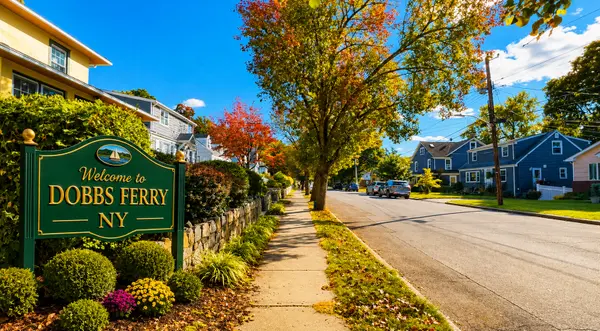
Dobbs Ferry
Can differ dramatically — even for homes with similar market values.
Two homes priced at $1,200,000 may have very different annual tax bills.
That’s why understanding the structure matters.
How Property Taxes Are Calculated in Westchester
Westchester property taxes are based on:
1️⃣ Assessed Value
Your municipality determines an assessed value for your property.
This is NOT always the same as market value.
Some towns reassess annually.
Others reassess periodically.
2️⃣ Tax Rate
Each municipality sets a tax rate based on:
-
School district budgets
-
Town services
-
County services
-
Village services (if applicable)
The final tax bill is:
Assessed Value × Local Tax Rate
School Taxes: The Largest Component
In Westchester County, school taxes typically make up the largest portion of your property tax bill.
Strong school districts — which help support property values — also contribute to higher tax bills.
Buyers often prioritize:
-
School ranking
-
Graduation rates
-
Community reputation
But those benefits come with funding costs.
It’s a tradeoff many buyers willingly accept.
Why Are Westchester Property Taxes Higher Than Other Areas?
Several reasons:
-
Proximity to New York City
-
Strong public school systems
-
Extensive local services
-
Limited land supply
-
Municipal infrastructure
Westchester is a fully serviced suburban county — not a rural tax base.
The tradeoff for higher taxes often includes:
✔ Strong property value stability
✔ High-quality public schools
✔ Municipal services
✔ Maintained infrastructure
What Is the STAR Exemption?
New York State offers the STAR (School Tax Relief) exemption.
There are two types:
-
Basic STAR
-
Enhanced STAR (for eligible seniors)
This program reduces the school tax portion of your bill if you qualify.
Buyers should always check:
-
Whether current owners receive STAR
-
Whether they qualify after purchase
-
How that impacts projected monthly payment
Many buyers overlook this — and miscalculate affordability.
Do Property Taxes Go Up After You Buy?
This is a common concern.
In some cases, yes.
If a home is under-assessed and sells at a significantly higher price, the municipality may adjust the assessment over time.
That can lead to increased tax bills.
Before purchasing, it’s important to review:
-
Current assessment
-
Recent reassessment history
-
Equalization rates
-
Comparable properties
Tax surprises are avoidable with proper research.
How Property Taxes Impact Buying Power
In Westchester, monthly affordability matters more than purchase price alone.
For example:
Two homes priced at $900,000 may feel very different if:
-
One has $15,000 in taxes
-
One has $24,000 in taxes
Buyers calculate total monthly payment.
Not just sale price.
That’s why hyper-local tax understanding is essential when evaluating value.
Frequently Asked Questions About Westchester Property Taxes
Are Westchester property taxes negotiable?
No. Taxes are set by municipalities and school districts.
Can you grieve property taxes in Westchester?
Yes, homeowners can file tax grievance applications annually in most municipalities.
Are taxes included in mortgage payments?
Typically yes — escrowed monthly by your lender.
Are co-op taxes different?
Co-ops often include property taxes within maintenance fees.
The Bigger Picture: Taxes vs Value
Westchester property taxes are higher than many areas.
But so is:
-
School performance
-
Property stability
-
Demand
-
Access to NYC
-
Infrastructure quality
Many buyers view property taxes as part of the cost of access to one of the most desirable suburban markets near New York City.
Understanding that tradeoff is critical.
The Bottom Line
Property taxes in Westchester County can seem complex — but they are manageable with proper guidance.
Before buying or selling, you should understand:
-
How taxes are calculated
-
How assessments work
-
What exemptions apply
-
How taxes impact resale value
I’m John Buoninfante — Westchester County Realtor.
I move people in and out of Westchester.
If you’re evaluating a home and want a clear breakdown of how taxes will affect your monthly payment and long-term investment, let’s look at it together.
Because clarity builds confidence — and confident decisions build strong moves.
Categories
Recent Posts